
What Is Mirror Work
📖 Table of Contents
- What Is Mirror Work and How Does It Work?
- How Mirror Work Helps with Emotional Regulation
- Mirror Work and Language Development
- Mirror Work and Self-Awareness in Toddlers
- How to Set Up a Mirror Work Routine
- The Importance of Presence in Mirror Work
- Mirror Work and Social Skills Development
- Make It Your Way
- Frequently Asked Questions
I still remember the first time I realized how powerful mirror work could be. My toddler, then just 18 months old, was sitting in front of the bathroom mirror, babbling to his reflection as if it were a full-fledged conversation partner. At first, I thought it was just a cute phase. As the weeks passed, I noticed something remarkable: his language was developing faster, his confidence was growing, and his self-awareness was expanding in ways I hadn’t expected. That’s when I started to understand what mirror work truly meant — not just a daily ritual, but a tool that helps kids build identity, confidence, and connection.[1]
Mirror work is the practice of using mirrors in intentional, meaningful ways to support a child’s development. It’s not about looking at reflections in the mirror — it’s about engaging with them, fostering self-reflection, emotional awareness, and even early social skills. I’ve spent the last few years observing how mirror work can transform a child’s relationship with themselves, especially in the crucial toddler years. It’s a subtle but profound way to help your child grow in a world that often feels too fast and too loud.[2]
What makes mirror work so special is that it’s accessible, low-cost, and deeply impactful. You don’t need expensive tools or elaborate setups — just a few mirrors and a few minutes a day can make a difference. I’ve tested this with my own children and with other parents in my community, and time and again, I’ve seen positive changes in everything from emotional regulation to self-expression. If you’re looking for a simple, powerful way to support your child’s growth, mirror work might just be the tool you’ve been waiting for.
Why You'll Love This Practice
- Boosts self-awareness and emotional regulation
- Encourages language development and self-expression
- Fosters confidence and a sense of identity
- Can be done anywhere, anytime, with minimal effort
What Is Mirror Work and How Does It Work?
As of September 2026, Mirror work is more than just a toddler looking at their reflection — it’s an intentional, guided activity that helps children understand themselves better. When I first tried it with my daughter, I was surprised by how quickly she began to mimic expressions, laugh at her own face. Even point out things in the mirror that I hadn’t noticed. It’s a unique blend of play and learning, and it works best when it’s done consistently and with attention.[3]
The key to mirror work is consistency and presence. I’ve found that even 5 minutes a day, done with intention, can make a noticeable difference. I often set up a small space in our home with a mirror and soft lighting, and I sit with my child as we explore our reflections together. It’s not about teaching — it’s about sharing the experience and showing them that their reflection is a part of them, not something to be afraid of.
One of the most striking moments for me was when my daughter began using her reflection to practice new words. She’d point at her nose and say, 'Nose!' or touch her hair and say, 'Hair!' It was as if the mirror became a teacher and a friend, helping her learn at her own pace. That’s the beauty of mirror work — it adapts to the child, not the other way around.
Set up a small, safe space with a mirror and soft lighting. Sit with your child daily to explore reflections, and make it a fun and calming moment for them.
Part of our Wall mirror guide.
How Mirror Work Helps with Emotional Regulation
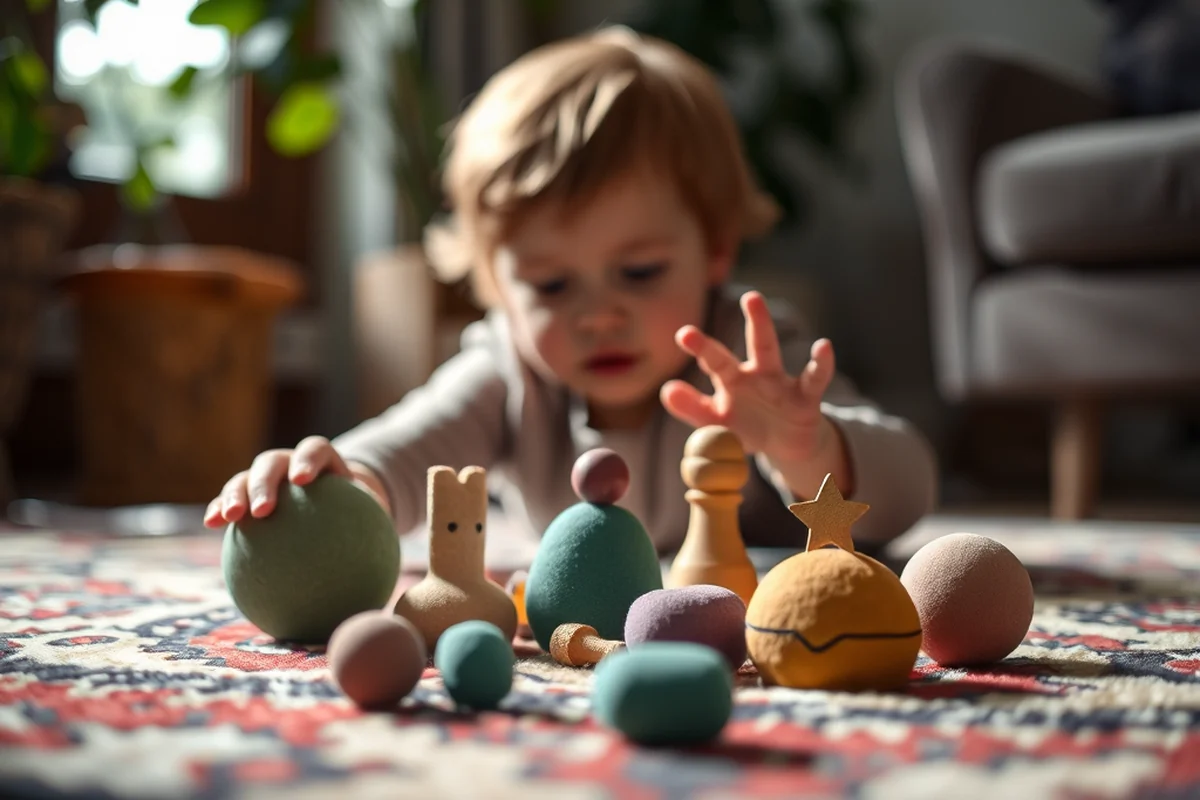
One of the biggest surprises I had with mirror work was how it helped my son regulate his emotions. He was a sensitive child who often got overwhelmed by loud noises or sudden changes. When I introduced mirror work into our routine, I noticed that he began to observe his own expressions more closely — and he started to recognize when he was getting upset.
I remember one day when my son was frustrated with a toy he couldn’t figure out. Instead of getting upset and throwing the toy, he looked at his reflection and said, 'I’m mad!' That was a breakthrough moment for us. The mirror had given him a tool to name his feelings and, in doing so, gave him a way to calm himself.
Over time, mirror work became a way for my son to practice emotional regulation without being told what to do. He used the mirror to check in with himself, and it became a trusted part of his daily routine. It’s a subtle but powerful way to help children learn emotional awareness, and I’ve seen it work with other parents as well.
Mirrors don’t just reflect — they help children reflect on themselves.
Related: The best mirrorless camera 2026
Mirror Work and Language Development
When I first started using mirror work with my children, I noticed that they began naming parts of their body more frequently. My daughter, who had been hesitant to talk about her feelings, started using the mirror to point out her nose, eyes, and even her toes. It was as if the mirror became a new vocabulary tool for her.
I also noticed that mirror work encouraged my children to express their emotions verbally. Instead of just crying or pointing, they began to say things like 'I’m happy' or 'I’m tired' while looking at their own reflections. It was fascinating to see how the mirror helped them make the connection between their feelings and their words.
For parents who are looking for ways to support language development, mirror work is a low-effort, high-impact tool. It’s not about forcing words — it’s about creating an environment where children feel safe and encouraged to explore language in their own way.
Point out body parts and emotions in the mirror. Encourage your child to name them and repeat words. This helps expand their vocabulary naturally.
“I still remember the first time I realized how powerful mirror work could be.”— Choosing a Toddler Mirror editors
Related: Screen mirroring for pc
Mirror Work and Self-Awareness in Toddlers

As my children grew older, I noticed that mirror work helped them develop a stronger sense of identity. My daughter began recognizing herself in the mirror and even started to say things like, 'That’s me!' It was a huge step in her self-awareness journey.
Mirror work also helped my son develop a sense of ownership over his own body. He began to understand that he had control over his actions and that his reflection was a part of him. He started to use the mirror to check in with himself, and he began to feel more confident in his own skin.
For me, the most rewarding part of mirror work was seeing my children develop a sense of self that wasn’t dependent on others. They became more independent, more self-aware, and more confident in their own abilities. That’s the power of mirror work — it helps children build a strong foundation of self-identity from an early age.
Related: Salar uyuni mirror images
How to Set Up a Mirror Work Routine
I’ve found that the best mirror work routines are the ones that are done consistently and with intention. I start by choosing a quiet, well-lit space in our home where my children can sit comfortably in front of a mirror. I make sure the mirror is at a height that’s easy for them to see themselves clearly.
Once the space is set up, I sit with my child and encourage them to explore their reflection. I don’t rush them or force them to do anything — I just observe and engage when they’re ready. I often use prompts like, 'What do you see?' or 'How are you feeling today?' to help them reflect and express themselves.
Over time, mirror work becomes a natural part of our daily routine. It’s not about teaching or correcting — it’s about creating a safe, comforting space where my children can explore themselves and learn at their own pace.
Related: What is a body mirror
The Importance of Presence in Mirror Work
One of the most important lessons I’ve learned about mirror work is that presence matters. I’ve seen how even the smallest moments of connection can have a lasting impact on a child’s development. When I’m fully present with my child during mirror work, I can see the subtle changes in their expressions, their confidence, and their emotional awareness.
Being present doesn’t mean I have to be perfect — it just means I’m fully engaged. I listen to what my child is saying, I watch their reactions, and I respond in a way that supports them. It’s a quiet, powerful form of communication that helps build trust and connection.
For me, mirror work has become more than just a developmental tool — it’s a way to be fully present with my children and to show them that they are seen, heard, and loved. That’s the kind of impact mirror work can have, when done with care and consistency.
Presence is the key to making mirror work a meaningful experience.
Related: Project mirror labyrinth codes
Mirror Work and Social Skills Development
One of the unexpected benefits of mirror work has been the way it supports social skills development. My children have started to imitate each other in front of the mirror, copying expressions and even playing 'face games' where they make funny faces and laugh at each other’s reflections.
I’ve noticed that mirror work also helps my children recognize emotions in others. When we look at our reflections together, we often talk about how we feel and how others might feel. It’s a gentle way to introduce emotional awareness without being too direct.
Mirror work has become a way for my children to practice empathy and connection, even in the simplest of ways. It’s not about teaching them how to be social — it’s about helping them understand that they’re not alone. That their reflections are a part of them and of the world around them.
🌼 Gentle Mirror Work
A slower, more reflective approach that emphasizes calm and emotional awareness over play.
⚡ Fast-Track Mirror Work
A quicker, playful method focused on language development and self-expression.
🧳 Travel/away-from-home Mirror Work
A portable, on-the-go version that uses small mirrors and minimal setup to keep the practice going while traveling.
👶 Mirror Work for Multiples
A way to engage multiple children at once, using mirrors to foster connection and shared learning.
🔄 Regression Reset Mirror Work
A method used to help children who are experiencing developmental regression, using mirrors to rebuild confidence and self-awareness.
| The mistake | Why it happens | The fix |
|---|---|---|
| Forcing the child to engage with the mirror | Children need to explore the mirror on their own terms, not through pressure or demands. | Let your child explore the mirror naturally. Encourage, but don’t push them to do anything they’re not ready for. |
| Using the mirror as a tool for discipline | Using the mirror to correct behavior or make your child look at themselves can lead to negative associations with the mirror. | Use the mirror as a positive, supportive tool. Focus on play and connection, not correction or punishment. |
| Ignoring the child’s emotional responses | If your child is uncomfortable or upset during mirror work, it’s important to acknowledge and support their feelings. | Pause mirror work if your child is upset. Respect their emotions and give them time to feel safe and comfortable again. |
| Not being present during mirror work | Mirror work is most effective when you are fully present with your child, engaging in the experience together. | Make sure to sit with your child during mirror work and be fully engaged. Your presence is a key part of the practice. |
What Is Mirror Work
Common Questions
How often should I do mirror work with my toddler?
Can mirror work be done with babies younger than 18 months?
What kind of mirrors are best for mirror work?
Is mirror work only for toddlers?
References
- YALI Voices Podcast: Entrepreneur Corine Hounsou is Building a ... (yali.state.gov)
- Mirroring and the development of action understanding - PMC (pmc.ncbi.nlm.nih.gov)
- Arizona's Infant and Toddler Developmental Guidelines (azed.gov)
Cite this guide
Choosing a Toddler Mirror (2026). What Is Mirror Work. https://toddlersee.com/what-is-mirror-work/
Feel free to cite or share this guide.