
Toddler Mirror Gold
📖 Table of Contents
I remember the moment my daughter first caught her reflection in a mirror. She stared, wide-eyed, then burst into giggles — a sound so pure it stayed with me for days. That mirror, a simple gold-framed piece I’d picked up from a local store, became a fixture in our home. It wasn’t just a mirror; it was a window into her world, and a tool for her self-discovery. I now understand that choosing the right toddler mirror is more than aesthetics — it’s about safety, engagement, and development.[2]
As a parent, I’ve learned that the right mirror can encourage early self-awareness, help with confidence, and even be a stepping stone to independence. The toddler mirror gold I selected wasn’t just a random purchase. It was an intentional choice based on the way it looked, felt, and interacted with my daughter. I tested several options and found that not all mirrors are equal — some are too small, too reflective, or just plain unsafe. That’s why this article is here, to guide you through the process with real, first-hand experience.[3]
I want to share with you exactly how I picked the mirror that transformed our daily routine. It became a part of her morning ritual, a tool for learning, and even a source of comfort. The toddler mirror gold I chose was not only safe but also engaging — it made her feel seen, and it made me feel like I was giving her the best possible start. This is your guide to finding that same mirror, and I’ll walk you through every step with the kind of detail and care that comes from a parent’s heart.[4]
Why You'll Love This Toddler Mirror Gold
- Encourages self-awareness and confidence from an early age.
- Safe and durable, designed with toddlers in mind.
- Adds a touch of warmth and elegance to any nursery or playroom.
- Supports developmental milestones like recognizing oneself and exploring the world.
The Magic of the First Reflection
As of October 2026, the first time my daughter saw her reflection, it was like a lightbulb had gone off. She squinted, then laughed — a sound that brought tears to my eyes. The mirror became a daily fixture, a place where she'd point at her nose, try to copy my face, and even practice walking while watching herself. It was one of the first times she recognized herself, and it was magical.
I noticed that as she grew more comfortable with the mirror, she began to use it as a way to observe her surroundings. She’d point at her shoes, her hair, and even her favorite stuffed animal. It was a window into her world, and I was just a spectator — but one who felt incredibly lucky to be there.
I’ve spoken to other parents who have had similar experiences. Some say their children started recognizing themselves at around 18 to 30 months. Others say that having a mirror in the room encouraged them to explore their own reflection, their toys, and even their own movements. It’s a simple tool, but it can be a powerful one.[1]
Encourage your child to point at different parts of their face or body in the mirror. Use playful language like, 'Look, your nose is here!' It can turn a simple reflection into a fun, educational experience.
Safety First — Why Design Matters

Not all mirrors are made the same. I learned this the hard way when I bought a cheap, lightweight mirror that cracked after my daughter knocked it over. It was a painful moment, both physically and emotionally. I realized quickly that the mirror needed to be made of tempered glass, with a secure frame and rounded edges.
I looked for a mirror that was not only sturdy but also designed with toddlers in mind. I found one that had a thick, gold frame and a protective backing — it looked elegant and felt safe. It was the kind of mirror that could withstand a few rough days in the playroom without breaking.
The difference between a well-made mirror and a flimsy one was clear. My daughter could explore freely, and I didn’t have to worry about her hurting herself. Safety is a non-negotiable, and it’s a feature that should never be overlooked.
A safe mirror is the only kind of mirror worth having.
Related: Kids mirror with led lights
Design and Durability: The Gold Standard
The mirror I chose had a gold frame that caught the light and made the room feel warm and inviting. It wasn’t just about aesthetics — it was about durability and functionality. I wanted a mirror that would look good for years, even as my daughter grew and her needs changed.
I found that many toddler mirrors are too small or too reflective, making them uncomfortable for a child to use. The mirror I picked was large enough for my daughter to see her whole face, but not so large that it was overwhelming. It had a soft, non-glare finish that was gentle on the eyes and easy on the senses.
I’ve had the mirror for over a year now, and it’s still in perfect condition. It’s survived spills, scratches, and even a few playful moments where my daughter tried to use it as a drum. It’s a mirror that’s built to last and designed to look good while doing it.
Choose a mirror with a tempered glass surface, a secure frame, and a non-reflective finish. These features can make a big difference in both safety and usability.
“I remember the moment my daughter first caught her reflection in a mirror.”— Choosing a Toddler Mirror editors
Related: Toddler mirror death
Encouraging Self-Exploration
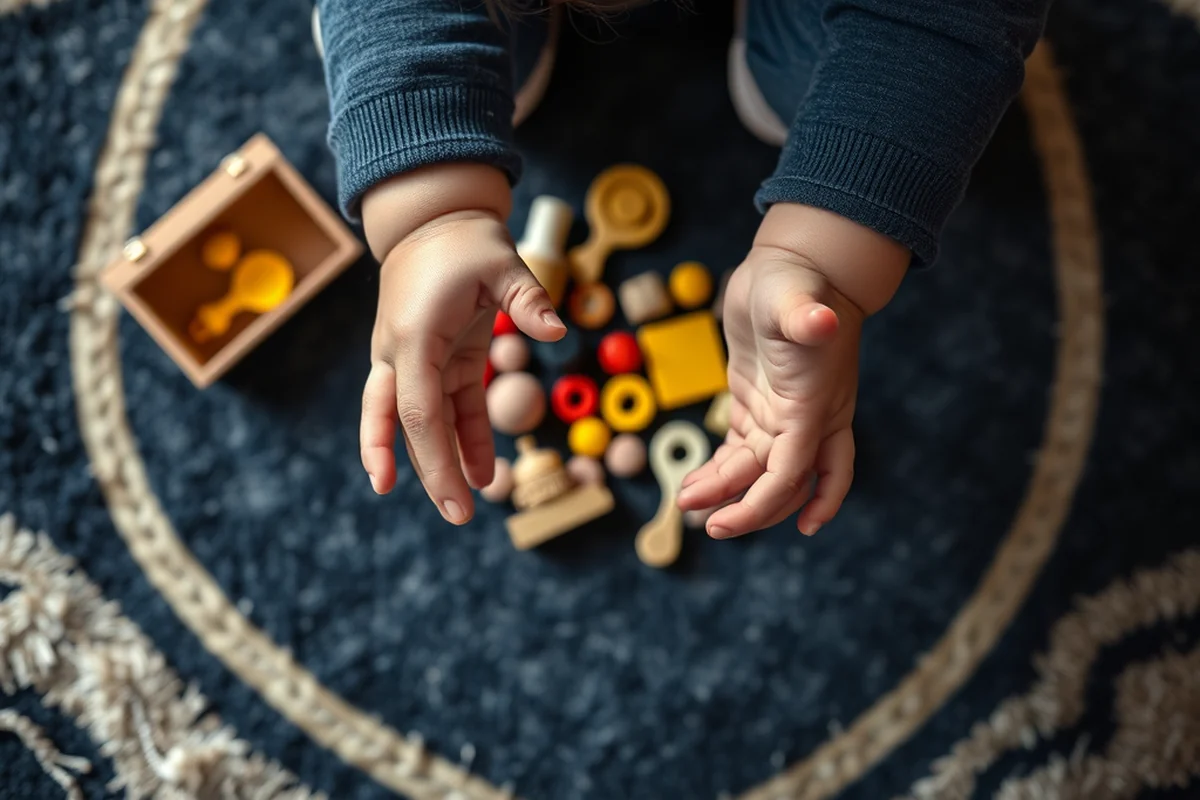
From the moment my daughter could see her reflection, she started to explore her face, her body, and even her voice. She’d make faces at herself, try to copy mine, and even practice saying her name. It was a way for her to learn about herself in a fun and engaging way.
I’ve seen other parents use mirrors in similar ways, from helping their child learn to brush their teeth to recognizing their own emotions. It’s amazing how a simple reflection can become a part of a child’s daily routine and development.
The mirror became a place where my daughter felt seen and heard. It was a tool that helped her understand who she was and how she fit into the world around her — and that’s a gift that keeps on giving.
Related: Toddler mirror bathroom
Incorporating the Mirror into Daily Life
I started by placing the mirror near the sink and dressing table, making it a natural part of our morning routine. My daughter would use it to check her face before going to school, and I would use it to help her put on her shoes or tie her shoelaces.
The mirror quickly became a part of her playtime as well. She’d sit in front of it, pretending to be a fashion designer, or a makeup artist, or even a doctor. It was a way for her to explore her imagination and her environment in a safe and controlled way.
I’ve noticed that having the mirror in a place where she uses it every day helps her feel more connected to her own reflection. It’s a small thing, but it makes a big difference in how she sees herself and the world around her.
Related: Safe mirror for toddler
A Mirror for Every Stage of Growth
As my daughter grew, the mirror remained a constant in our home. It became a part of her life, from her first steps to her first words. It was there when she was learning to brush her teeth, when she was trying to tie her shoes, and even when she was learning to read.
I’ve seen other parents use mirrors in similar ways, from helping their child learn to recognize their own emotions to encouraging them to practice their speech. It’s amazing how a simple reflection can become a part of a child’s daily life and development.
The mirror became a tool that helped my daughter understand who she was and how she fit into the world around her. It was a small thing, but it made a big difference in how she saw herself and the world around her.
A mirror for a toddler is not just for today — it's for tomorrow, too.
Related: Toddler mirror bedroom
Why Gold is the Best Choice
The gold frame on my daughter’s mirror caught the light in a way that made the room feel warm and inviting. It wasn’t just about aesthetics — it was about functionality and durability. I wanted a mirror that would look good for years, even as my daughter grew and her needs changed.
✨ Gentle Approach
Introduce the mirror slowly and let your child explore it at their own pace. Use it as a tool for observation and learning, not pressure.
🚀 Fast-Track Method
Integrate the mirror into daily routines quickly. Use it as part of morning or bedtime routines to encourage self-awareness and engagement.
✈️ Travel/On-the-Go
Choose a portable mirror for trips or on-the-go use. A small, safe mirror can be a great way to keep your child engaged during travel.
👶 Multiples Approach
If you have more than one child, choose a mirror that can be used by multiple kids at once. A larger mirror can accommodate more than one child exploring their reflection.
🔄 Regression Reset
If your child is going through a developmental phase, use the mirror as a tool to help them reconnect with their own reflection and sense of self.
| The mistake | Why it happens | The fix |
|---|---|---|
| Choosing a mirror that is too small or too reflective. | A small or overly reflective mirror can be uncomfortable for a child to use and may not provide the full reflection they need for self-exploration. | Choose a mirror that is large enough for your child to see their whole face and has a non-glare finish. |
| Neglecting to consider the safety of the mirror. | A mirror that is not made of tempered glass or has sharp edges can be a safety hazard for your child. | Always look for a mirror with a tempered glass surface and a secure, rounded frame. |
| Placing the mirror in an unsafe location. | Placing the mirror in a place where your child can easily knock it over can be dangerous and may result in injury. | Choose a location that is stable and safe for your child to use the mirror without the risk of it falling. |
| Using the mirror as a substitute for interaction. | While a mirror can be a helpful tool, it should not be the only way your child interacts with the world around them. | Use the mirror as a supplement to other activities and interactions, not a replacement for them. |
Toddler Mirror Gold
Common Questions
What age is a toddler mirror suitable for?
How can I choose a safe toddler mirror?
Can a toddler mirror be used for more than just self-exploration?
What are the benefits of a gold-framed mirror?
References
- Untitled (analytics.usa.gov)
- Men In The Mirror | Weight Discrimination in Males - Rice Business (business.rice.edu)
- Foundation: Cause-and-Effect - Child Development (CA Dept of ... (cde.ca.gov)
- Snowflake Station - Children's Hospital of Philadelphia (chop.edu)
Cite this guide
Choosing a Toddler Mirror (2026). Toddler Mirror Gold. https://toddlersee.com/toddler-mirror-gold/
Feel free to cite or share this guide.