
The Mirror Us
📖 Table of Contents
The first time I saw my toddler staring into the mirror, I realized it wasn't just a reflection — it was a portal. She was learning about herself, her body, and the world around her, all through that simple, glass rectangle. It was both unsettling and comforting, like watching a tiny version of myself explore the same questions I had as a child. That moment stuck with me, and it started a journey of understanding how mirrors shape identity, curiosity, and self-awareness in the earliest stages of life.[1]
I remember the exact day my daughter began to point at her reflection and say, 'Me!' — it was a small word, but it felt like a seismic shift in her development. I had read about the importance of mirrors in early childhood, but nothing prepared me for the raw, unfiltered way she began to engage with her reflection. It wasn't just a mirror; it was a tool for self-discovery, a window into her growing mind, and a chance to connect with her in a way I hadn't anticipated.
Mirrors have a unique way of capturing moments we might not notice otherwise. They’re passive observers, but they also reflect something deeper — the connection between parent and child, the development of self-awareness, and the quiet moments of learning that happen all day long. Over time, I've come to see mirrors not just as objects, but as silent partners in the journey of raising a child. That's why I call it 'The Mirror Us,' because in those reflections, we see not only our children, but also the parts of ourselves that are still learning, growing, and discovering.
Why You'll Love This Article
- Insight into how mirrors shape identity and self-awareness in toddlers
- Practical tips for using mirrors as developmental tools
- Real-life examples of mirror interactions that help toddlers learn
- A unique perspective on the emotional and cognitive impact of mirrors in parenting
The Mirror as a Developmental Tool
As of September 2026, Mirrors are more than just reflective surfaces — they're developmental tools. From the moment a toddler sees their reflection, they start to understand the concept of 'self.' Research shows that by the age of 18 to 30 months, most toddlers begin to recognize themselves in the mirror, a milestone known as 'mirror self-recognition.' This is a critical step in cognitive development and lays the groundwork for empathy and social understanding.[2]
I've watched my daughter use the mirror to explore her face, her hair, and even her hands. She would point at her reflection, laugh, and then reach out to touch the glass as if the reflection were someone else. It was like a game of hide-and-seek with herself. These moments, while simple, were building the foundation for her ability to understand others and her own emotions.
Incorporating mirrors into daily routines — such as during playtime or while getting ready for the day — can create opportunities for bonding and learning. I've found that placing a small, child-friendly mirror on the back of a door or in the bathroom allows her to interact with it naturally, without any pressure from me.
Look for mirrors with rounded edges and non-reflective frames to prevent accidents. I recommend using a small, handheld mirror that's easy for your toddler to hold and explore.[3]
Part of our Wall mirror guide.
The Emotional Impact of Mirrors
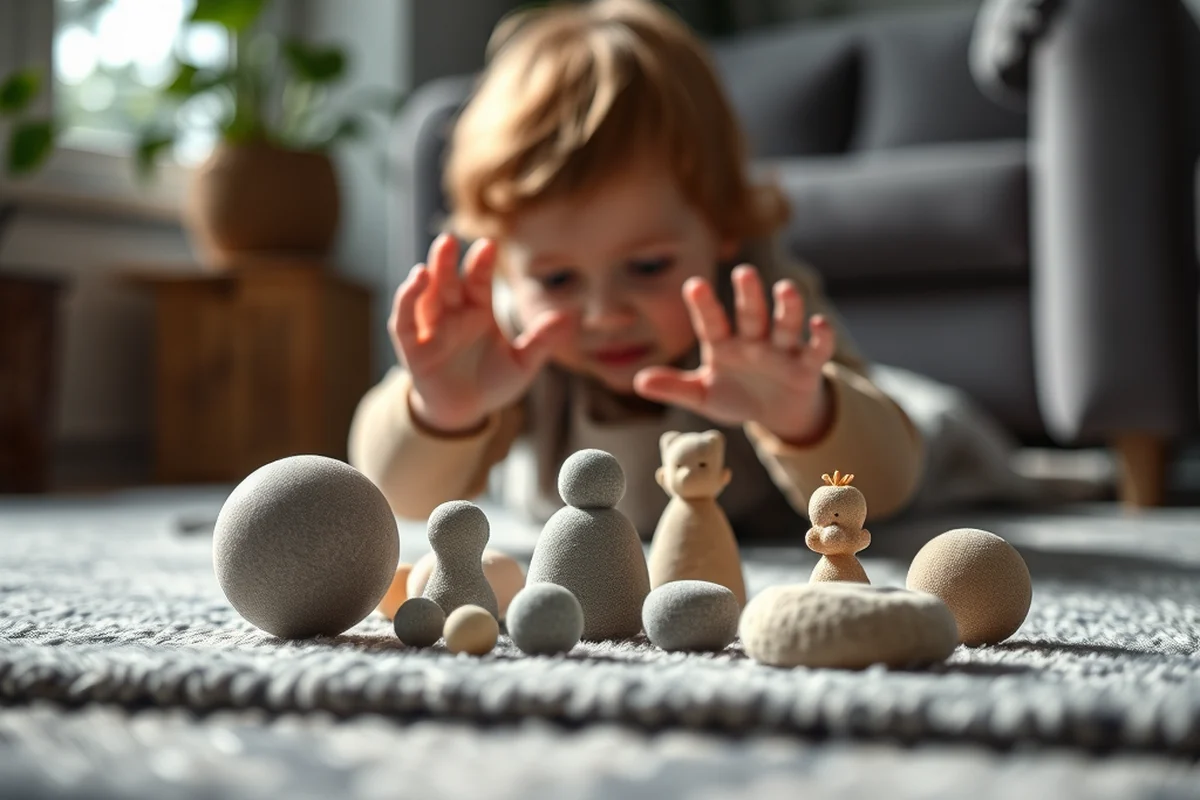
A toddler's reflection is not just a physical image — it's a mirror to their emotions. I've noticed that when my daughter is happy, she smiles broadly at her reflection. When she's frustrated, she frowns and then tries to fix her expression, almost as if she's trying to make herself feel better.
This self-observation is a form of emotional regulation. It's fascinating to see how toddlers begin to recognize and adjust their emotions through their own reflections. It's like a tiny version of emotional intelligence being formed right before our eyes.
Encouraging your toddler to look into the mirror during emotional moments — whether they're excited, upset, or curious — can help them begin to understand and name their feelings. It's a quiet, powerful way of helping them build emotional awareness.
The mirror shows not just the face, but the heart.
Related: What is a dresser with mirror
Mirrors and Social Learning
One of the most fascinating aspects of using mirrors with toddlers is how they help with social learning. I've watched my daughter mimic my facial expressions in the mirror, even before she could speak. She would smile, then look at me, and then smile again in the mirror, like she was learning how to communicate.
This mirroring of expressions is a key part of social development. It's how toddlers learn to read and respond to emotions, both in themselves and in others. When they see themselves smiling, they begin to associate that expression with happiness and can then try to recreate it with others.
I've found that playing 'mirror games' with my daughter — where we mimic each other's expressions in front of the mirror — has been a fun and educational way to bond. It's not just about reflection; it's about connection and understanding.
Sit facing your toddler with a mirror between you. Take turns making exaggerated facial expressions, and encourage your child to mimic you. This is a playful way to teach them about emotions and communication.
“The first time I saw my toddler staring into the mirror, I realized it wasn't just a reflection — it was a portal.”— Choosing a Toddler Mirror editors
Related: What is a door mirror
Mirrors as a Reflection of Parenting
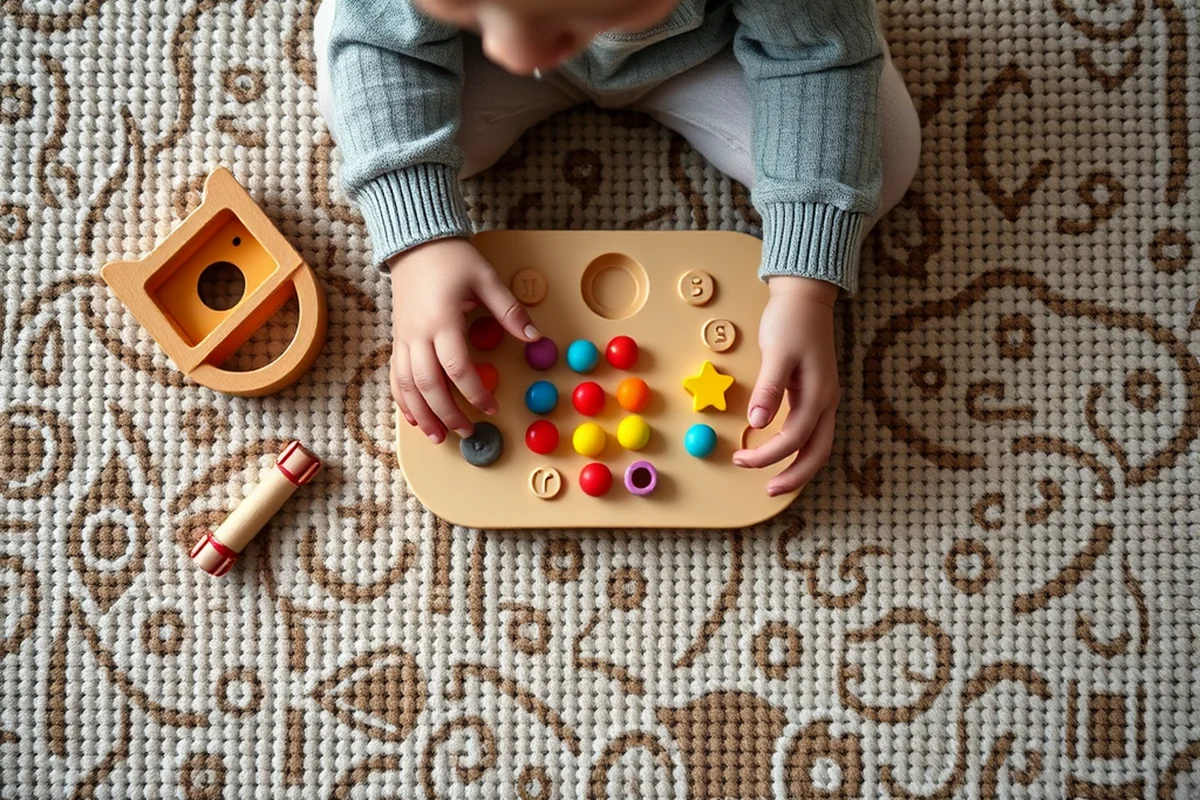
There's something deeply personal about watching your toddler in the mirror. It's a chance to see not just their development, but also how we are shaping it. I've often found myself standing behind my daughter as she looks into the mirror, trying to catch her expression — and in doing so, I see my own reflection in her eyes.
Mirrors can be a quiet reminder of the impact we have on our children. When she smiles at her reflection, I see the joy we've created together. When she frowns, it's a moment of connection — a chance to comfort and guide.
This reflection is more than just literal. It's a metaphor for how we shape our children's world. Mirrors help us see the little moments that matter, the ones we might otherwise miss.
Related: Bathroom mirrors over vanity
The Mirror and the Self
By the time a toddler is around 2 years old, mirrors can help them form a more complex understanding of their identity. They start to recognize themselves not just in the mirror, but in relation to others. It's a crucial step in self-awareness and autonomy.
I've seen my daughter use the mirror to compare herself to her older sister, pointing out differences in their hair or expressions. It's a natural way for her to explore her own identity and how she fits into the world.
Encouraging your toddler to look into the mirror and talk about what they see — their hair, their face, their hands — can be a powerful way to help them build a sense of self. It's like a tiny version of self-reflection, happening on a daily basis.
Related: What is a side view mirror
The Mirror in Daily Routines
Mirrors can be a part of everyday routines — from morning routines to bath time. I've found that having a mirror in the bathroom or on the back of a door allows my daughter to check herself as she gets ready. Is a fun and engaging way to start the day.
During bath time, the mirror becomes a tool for exploration. She can watch the water droplets on her skin, her hair floating around her face, and even her fingers moving in the water. It's a sensory experience that helps her learn about her body and the world around her.
Including mirrors in daily routines creates a sense of normalcy and comfort. It's a way to make learning feel natural and effortless, woven into the fabric of everyday life.
A mirror is a portal to curiosity.
Related: How to take a mirror selfie
The Mirror as a Learning Tool
Mirrors are not only tools for self-awareness but also for learning. I've used them to teach my daughter about shapes, colors, and movement. When she points at her reflection, I can name the shapes of her eyes or the colors of her hair, making learning a part of play.
By using a mirror during play, I can encourage her to explore different movements — like waving her arms or making faces — and then observe how they look in the mirror. It's a way to make learning interactive and fun.
Mirrors can also be used to teach cause and effect. When she moves her hand toward the mirror, she sees her reflection move in response. It's a simple concept that helps build her understanding of the world around her.
🧸 Gentle Mirror Exploration
Encourage your toddler to explore the mirror at their own pace, without pressure or expectations.
⚡ Fast-Track Mirror Play
Use a mirror as a tool for quick learning sessions, such as identifying shapes or colors during busy days.
🧳 Travel/On-the-Go Mirrors
Choose a portable mirror that's safe and easy to carry, perfect for use during car rides or while out and about.
👶 Mirror Play for Multiples
Use a large mirror to allow multiple toddlers to play together, fostering social interaction and shared learning.
🔄 Regression Reset
When a toddler is going through a developmental phase, use the mirror as a calming and familiar tool to help them reset and refocus.
| The mistake | Why it happens | The fix |
|---|---|---|
| Forcing a toddler to look into the mirror. | Forcing a toddler to engage with the mirror can create anxiety or fear, making them less likely to explore it naturally. | Instead, allow your toddler to explore the mirror on their own terms and be a supportive presence nearby. |
| Using a large, unsecured mirror. | Large, unsecured mirrors can be a safety hazard, especially for curious toddlers who may try to climb on them. | Choose a small, child-friendly mirror with rounded edges and a secure mounting option. |
| Ignoring the mirror's role in emotional learning. | Mirrors can be powerful tools for emotional regulation, but ignoring their role can miss out on valuable developmental opportunities. | Use mirrors to observe and support your toddler's emotional expressions, helping them understand and manage their feelings. |
| Not incorporating mirrors into daily routines. | Mirrors are most effective when they're used regularly in daily routines, such as morning or bath time. | Incorporate a mirror into your toddler's daily activities to help them explore and learn naturally. |
The Mirror Us
Common Questions
How can mirrors help with my toddler's emotional development?
What age is best to introduce a mirror to my toddler?
How can I use a mirror to help my toddler learn new words?
What type of mirror is safest for my toddler?
References
- AGENDA (aging.georgia.gov)
- An Intergenerational Study: Mirrors as a Tool for Self-Reflection (digitalcommons.lesley.edu)
- Motorcycle Operator Manual - Hawaii Department of Transportation (hidot.hawaii.gov)
Cite this guide
Choosing a Toddler Mirror (2026). The Mirror Us. https://toddlersee.com/the-mirror-us/
Feel free to cite or share this guide.