
Mirror Work Craft For Kids
📖 Table of Contents
- What is Mirror Work Craft for Kids?
- How to Get Started with Mirror Work
- Why Mirror Work Supports Emotional Development
- Mirror Work and Cognitive Development
- Mirror Work for Social and Communication Skills
- How Mirror Work Can Help with Self-Confidence
- Mirror Work as a Tool for Family Bonding
- Make It Your Way
- Frequently Asked Questions
When my daughter turned two, she started asking questions about her reflection that I hadn’t anticipated. 'Why do I look different in the mirror than I do in the photo?' she asked one morning, standing in front of the bathroom vanity. That moment made me realize how powerful mirror work could be for kids — not just as a tool for self-image, but as a gentle craft that encourages curiosity, mindfulness, and even emotional resilience. Mirror work craft for kids isn’t about vanity or beauty; it’s about exploring identity, developing self-awareness, and learning to see beyond the surface.[1]
I began experimenting with simple mirror-based activities, and what I found was surprising: the process was as beneficial for me as it was for my child. We would sit together on the floor, using small mirrors and colored paper to create shapes and patterns. It wasn’t just play — it was a way to talk about emotions, to explore the idea of 'self,' and to build a deeper connection with my daughter. Mirror work craft for kids is not about perfection or even about mirrors themselves; it’s about the conversations, the exploration, and the quiet moments of understanding that unfold between parent and child.[2]
I’ve since made it a weekly ritual, and the results have been profound. My daughter now uses mirrors in unexpected ways — to check her posture, to find her way through the house, to look for hidden things in the corners of the room. Mirror work craft for kids is more than a creative activity; it’s a doorway to discovery, empathy. A growing sense of confidence that I never expected to find in such a simple tool.[3]
Why You'll Love This Mirror Work Craft for Kids
- Encourages self-awareness and emotional intelligence
- Promotes creativity and problem-solving through play
- Creates opportunities for meaningful parent-child bonding
- Supports early development of spatial and cognitive skills
What is Mirror Work Craft for Kids?
As of October 2026, Mirror work is not about looking in the mirror; it's about using mirrors as a canvas for exploration. It can be as simple as holding up a mirror to a child and asking them to describe what they see — not just their face. The colors, patterns, or even their own reflections in different angles. I've used it to help my daughter understand how her perspective changes as she moves around the room, and how mirrors can show different parts of herself.
This activity supports emotional and cognitive development by encouraging kids to think about their own features, emotions. Even the concept of 'self.' It also opens the door for creative play — using mirrors to reflect light, make shapes, or even create optical illusions. I've seen my daughter’s confidence grow as she learns to see herself in new and different ways.
The beauty of mirror work is that it's accessible and can be done with minimal materials. I’ve used small hand mirrors, larger full-length mirrors, and even broken mirrors (with rounded edges) to keep it safe. Whether you're at home or on a walk, mirror work craft for kids can be a fun and engaging way to explore creativity and self-expression.
Begin with one small, child-safe mirror and ask your child to describe what they see. This sets the tone for exploration and builds curiosity.
Part of our Long mirror guide.
How to Get Started with Mirror Work
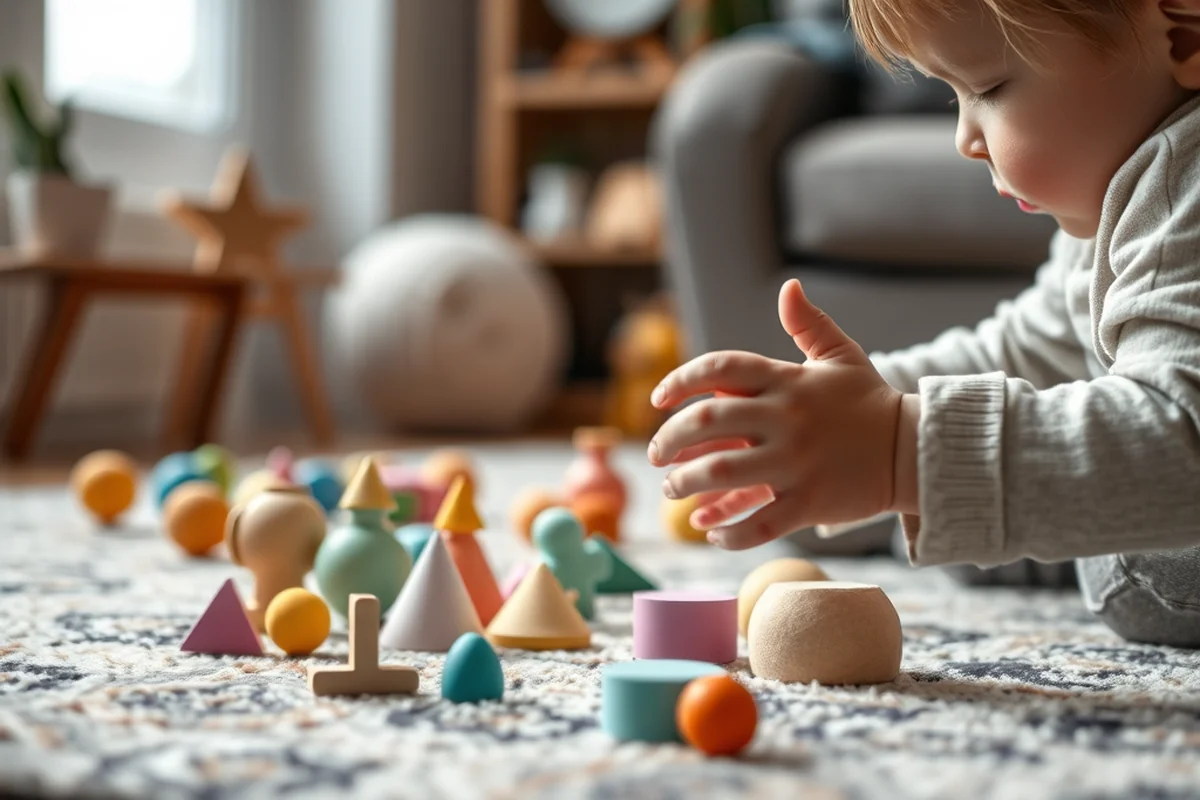
I usually start with just a single mirror, placing it on the floor or a low table where my daughter can easily reach it. I ask her simple questions like, 'What do you see?' or 'Can you find your eyes in the mirror?' This helps her focus on the mirror and begin to explore her reflection. I’ve noticed that she becomes more curious and engaged as she starts to recognize patterns and shapes in the mirror.
Mirror work can be done anywhere — in the bathroom, on a walk, or even in the car. I’ve found that it’s especially effective during quiet moments when my daughter is calm and open to exploration. I sometimes use mirrors to create light reflections, especially during the day, which helps her observe how light and color interact.
Over time, I’ve introduced more complex ideas — like using multiple mirrors to create reflections that multiply or show different parts of the room. It's amazing how quickly kids adapt and learn through these simple tools.
Mirror work is a doorway to curiosity and discovery, even in the most ordinary moments.
Related: Kids are reflection of parents
Why Mirror Work Supports Emotional Development
I’ve noticed that when my daughter looks in the mirror, she often points out things about herself — like her smile or how her hair looks. This kind of self-reflection helps her understand her own emotions and expressions. I’ve even used mirror work to help her recognize when she’s sad or happy by looking at her face in the mirror and describing what she sees.
Mirror work can also be a tool for teaching empathy. I’ve had my daughter look at the mirror while I describe how I’m feeling, and then ask her to look at her own face and match her expression to mine. This kind of exercise helps her learn to read emotions and understand how others might be feeling.
I’ve also used mirror work to teach my daughter about body language — like how raising an eyebrow or turning her head can change how she’s perceived by others. It’s a subtle but powerful way to build emotional intelligence and social awareness.
Use mirror work to help your child understand their own emotions and those of others by describing how different expressions look in the mirror.
“When my daughter turned two, she started asking questions about her reflection that I hadn’t anticipated.”— Choosing a Toddler Mirror editors
Related: Kids mirror affirmation stickers
Mirror Work and Cognitive Development
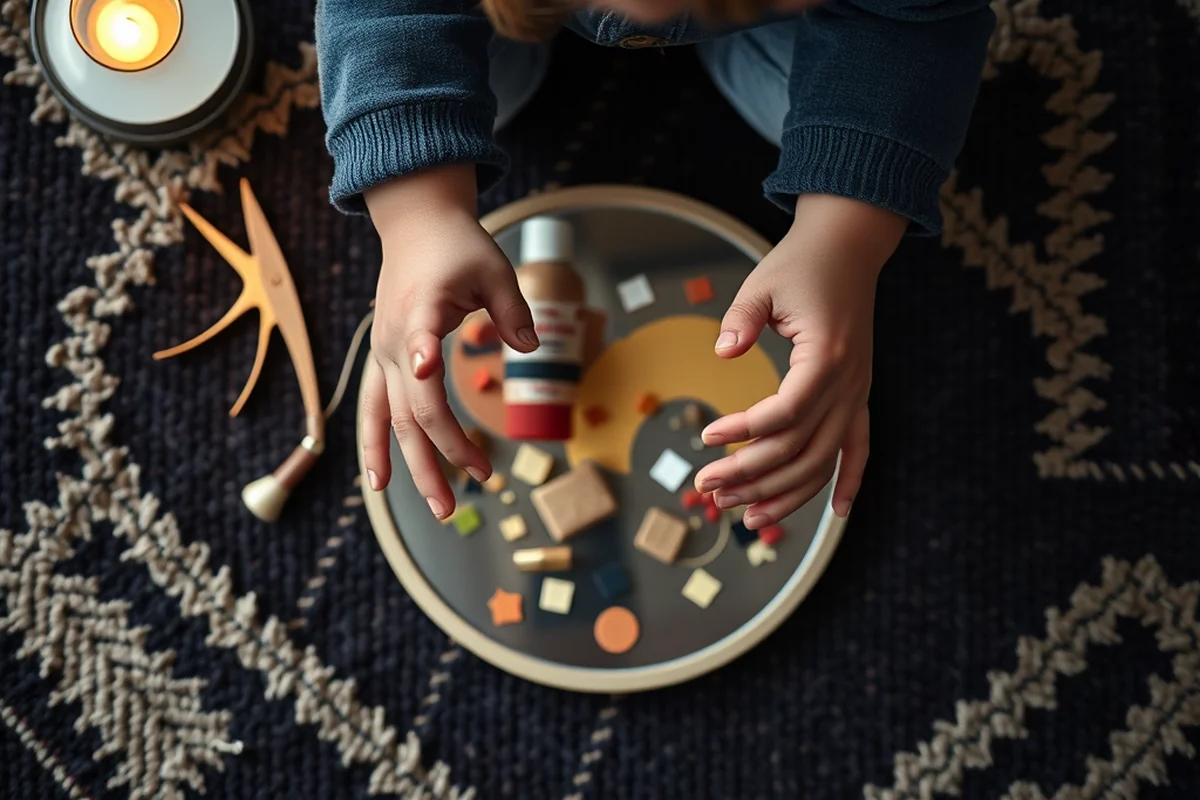
I’ve used mirror work to help my daughter understand spatial relationships — like how objects appear in the mirror versus how they look in real life. I’ve had her move around the room while holding a mirror and describe how her reflection changes as she moves. This helps build spatial awareness and understanding of how the world works from different perspectives.
Mirror work also encourages problem-solving. I’ve created simple challenges for her, like finding a hidden object in the room using only the mirror. She has to think about angles, reflections, and how the mirror can show things that are not directly in front of her. It’s amazing how quickly she learns through these kinds of activities.
I’ve noticed that mirror work also promotes creativity. My daughter has used mirrors to create patterns, shapes, and even simple optical illusions. It's a fun and engaging way to support cognitive development and foster a love of learning.
Related: Kids mirror long
Mirror Work for Social and Communication Skills
I’ve found that mirror work helps my daughter practice communication by encouraging her to describe what she sees in the mirror. I ask her questions like, 'What color is your shirt in the mirror?' or 'Can you find your nose?' This helps her practice language skills and build confidence in expressing herself.
Mirror work can also be used to teach turn-taking and cooperation. I’ve had my daughter and I take turns holding the mirror and describing what we see. This kind of interactive play helps build social skills and teaches her how to listen and respond to others.
I’ve even used mirror work as a way to practice non-verbal communication. Sometimes I’ll make a face in the mirror and ask her to mimic it — this helps her understand how facial expressions work and how they can be used to convey emotions and feelings.
Related: Kids mirror with shelf
How Mirror Work Can Help with Self-Confidence
I’ve seen my daughter become more confident as she learns to recognize and appreciate her own features in the mirror. She now points out things like her eyes, hair, or smile and says, 'I like how I look today.' This kind of self-awareness and appreciation is a powerful way to build self-confidence.
Mirror work can also help children feel proud of their abilities. I’ve had my daughter complete simple mirror-based challenges, like finding a hidden object or creating a shape with the mirror. When she succeeds, she feels a sense of accomplishment and pride in her own abilities.
I’ve noticed that mirror work can also help children feel more connected to themselves and their own strengths. By using mirrors to explore their reflection, they learn to appreciate their unique qualities and build a stronger sense of self.
When a child learns to see their own strengths in the mirror, confidence follows.
Related: Loudoun times mirror
Mirror Work as a Tool for Family Bonding
I’ve found that mirror work is a wonderful way to spend time with my daughter. We sit together on the floor, using mirrors to explore our reflections and create patterns. It’s a quiet, peaceful activity that allows us to connect and talk about our thoughts and feelings.
Mirror work can also be a fun way to create memories. I’ve taken photos of us during our mirror sessions, and looking back on them now is a reminder of the moments we shared. It’s a simple but powerful way to build a lasting bond with your child.
I’ve even used mirror work as a way to teach my daughter about love and connection. I’ll hold up a mirror and say, 'This is you. This is me — and we are both beautiful.' It’s a small but meaningful way to show her that she is loved and valued.
🧘 Gentle Mirror Play
A slow, mindful approach to mirror work for kids, focusing on self-reflection and emotional awareness.
⚡ Fast-Track Mirror Play
A quick and easy way to engage kids in mirror work, perfect for busy days or short attention spans.
✈️ Travel-Friendly Mirror Play
A portable and engaging way to do mirror work on the go, using small mirrors and creative prompts.
👯 Mirror Play for Multiples
A fun and interactive way to do mirror work with multiple kids, encouraging teamwork and shared exploration.
🔄 Regression Reset Mirror Play
A way to use mirror work to help kids process changes, transitions, or developmental milestones.
| The mistake | Why it happens | The fix |
|---|---|---|
| Using a mirror that is too large or unsafe for a child. | Large mirrors can be a hazard for young children who may not understand how to use them safely. | Use small, child-safe mirrors with rounded edges to ensure safety during mirror work activities. |
| Forcing a child to engage in mirror work when they are not interested. | Mirror work is most effective when it is a voluntary and engaging activity for the child. | Let the child lead the activity and choose when and how they want to participate in mirror work. |
| Not providing enough time or space for mirror work. | Mirror work requires a safe and spacious environment for children to explore and move around freely. | Create a dedicated space for mirror work and allow your child plenty of time to explore and engage with the activity at their own pace. |
| Overcomplicating mirror work with too many rules or expectations. | Mirror work should be a fun and open-ended activity, not a structured lesson or task. | Keep mirror work simple and flexible, allowing your child to explore and discover on their own terms. |
Mirror Work Craft For Kids
Common Questions
What age is mirror work best for kids?
Do I need any special equipment for mirror work?
How can I make mirror work more engaging for my child?
Can mirror work help with my child's self-confidence?
References
- Mirror Mirror: 2019 Site See Installation in Waterfront Park (alexandriava.gov)
- Facilitating reflection, confidence, and positive mirror effect in ... (nature.com)
- “Mirrors and windows:” a case study of educators' culturally ... (sciencedirect.com)
Cite this guide
Choosing a Toddler Mirror (2026). Mirror Work Craft For Kids. https://toddlersee.com/mirror-work-craft-for-kids/
Feel free to cite or share this guide.