
Choose Mirror Or Extend Display
📖 Table of Contents
- What is the Difference Between a Mirror and an Extended Display?
- How to Choose the Right Mirror or Extended Display for Your Toddler
- The Role of Mirrors in a Toddler's Development
- Integrating a Mirror or Extended Display into Daily Routines
- The Benefits of an Extended Display for Toddlers
- Creating a Safe and Engaging Environment for Your Toddler
- Choosing Between a Mirror and an Extended Display for Your Toddler
- Make It Your Way
- Frequently Asked Questions
When my toddler turned two, I noticed how often she’d stop to look at herself in the bathroom mirror. It was a small but significant moment — a glimpse into her growing self-awareness. That’s when I realized choosing the right mirror wasn’t just about aesthetics. It was about reflecting her world, literally and figuratively. Choosing a mirror or extending the display became more than a decision; it was a parenting choice that could shape her relationship with identity, confidence, and even early social skills.
I spent weeks researching the options, from traditional full-length mirrors to digital displays that could show more than just her reflection. The goal was clear: to find something that would support her development without becoming a distraction. I learned that mirrors aren’t just tools for vanity; they’re developmental aids that help children explore their bodies, understand spatial awareness. Even build empathy as they watch their reflection interact with others.
In the end, I chose a mirror that extended the display slightly, creating a larger surface that allowed her to see more of herself and even interact with it in ways I hadn’t anticipated. It became a part of our daily routine, a moment of connection, and a tool that helped her grow in ways I hadn’t planned for. Choosing a mirror or extending the display wasn’t just about the product — it was about creating a space where she could explore, learn, and feel seen.[1]
Why You'll Love This Mirror or Extended Display Setup
- Encourages self-awareness and body exploration in toddlers
- Supports early social and emotional development through reflection
- Provides a durable, safe option for daily use
- Can be easily integrated into home decor and play areas
What is the Difference Between a Mirror and an Extended Display?
As of October 2026, a regular mirror is a single reflective surface. It’s perfect for a toddler to see their face and body, but it has limitations. An extended display, on the other hand, goes beyond the typical mirror. It may offer a larger surface, sometimes with a slight angle or curved edges, allowing the child to see more of themselves at once.
This difference is subtle but meaningful. The extended display can help a toddler understand their full body shape, which supports early motor development and spatial awareness. It also allows for more interaction, as the child can see themselves from different angles or even play with reflections of objects next to them.
Choosing between the two depends on the child’s developmental stage, the space available, and the parent’s goals. For a young toddler who is just beginning to explore their body, a mirror may be sufficient. For a child who is ready for more interaction and exploration, an extended display might be the better option.
Opt for a mirror with a smooth, unbreakable surface to ensure safety for your child. Avoid mirrors with sharp edges or fragile frames that could break easily.
Part of our Mirrors more guide.
How to Choose the Right Mirror or Extended Display for Your Toddler
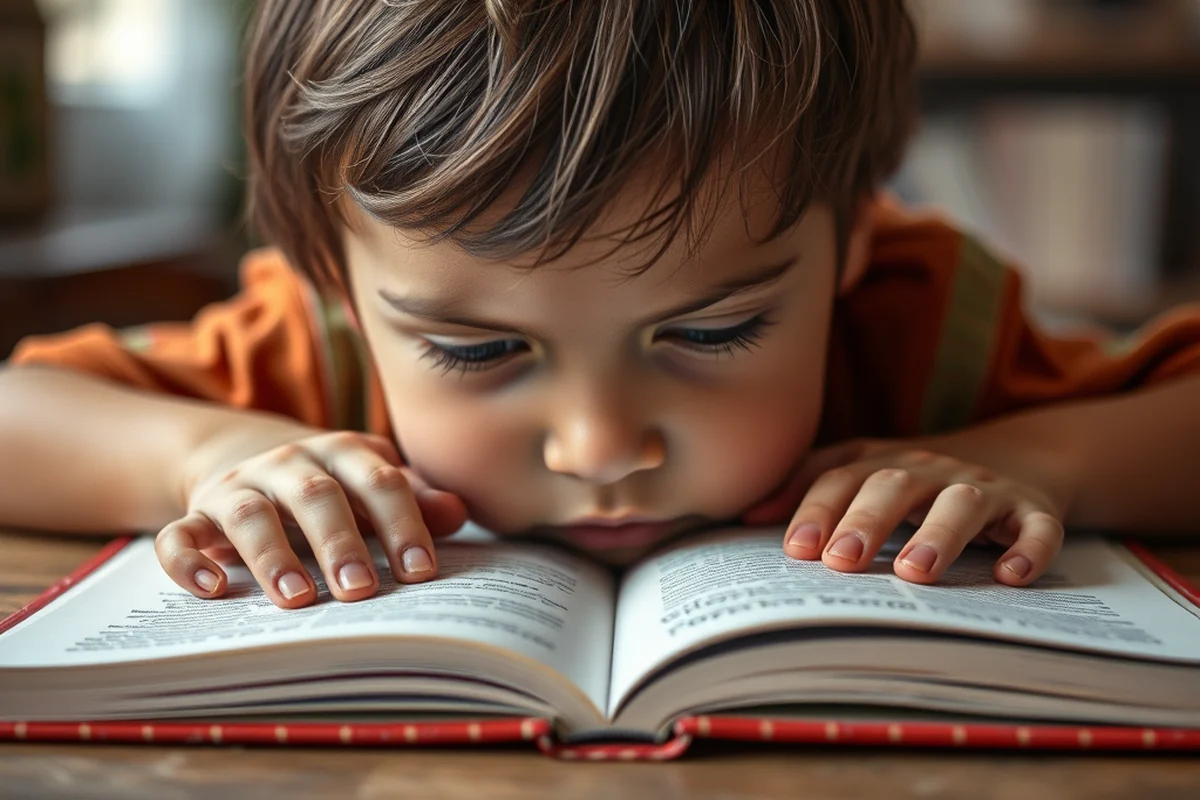
Choosing the right mirror or extended display requires some thought and planning. First, consider the size. A toddler needs a mirror that’s at their eye level, so they can see themselves clearly without straining their neck. A larger mirror or display can help them see more of their body, which supports their understanding of their own shape and movement.
Safety is another key factor. Make sure the mirror is made from a material that won’t break easily. If it’s a digital display, ensure it has a protective case or is mounted securely to avoid damage. It’s also important to check for any sharp edges or corners that could cause injury.
Finally, think about the developmental benefits. A mirror that allows for more visibility and interaction can support self-awareness and early social skills. It can also be a fun tool for play, helping the child explore and interact with their reflection.
A mirror is not just for vanity — it's a window to a child's growing self.
Related: Kids room led mirror
The Role of Mirrors in a Toddler's Development
Mirrors are more than just reflective surfaces — they are developmental tools that help toddlers learn about themselves and the world around them. When a toddler looks in the mirror, they begin to recognize their own face and body, which is an important step in self-awareness. This recognition helps them understand their identity and how they fit into their environment.
Mirrors also support motor development. As toddlers explore their reflection, they may move their arms, legs, or face to see how their movements affect their image. This helps them understand cause and effect, body awareness, and coordination. It also encourages them to imitate movements, which is crucial for developing fine and gross motor skills.
In addition, mirrors can be used for social interaction. When a toddler sees their reflection, they may smile, wave, or talk to themselves. This interaction helps build early communication skills and emotional development. A mirror can also be used for play, helping the child interact with their reflection in a fun and engaging way.
Mount or place the mirror at your toddler’s eye level to ensure they can see themselves clearly. This encourages natural exploration and interaction without the need to strain their neck.
“When my toddler turned two, I noticed how often she’d stop to look at herself in the bathroom mirror.”— Choosing a Toddler Mirror editors
Related: Kids mirror swim goggles
Integrating a Mirror or Extended Display into Daily Routines
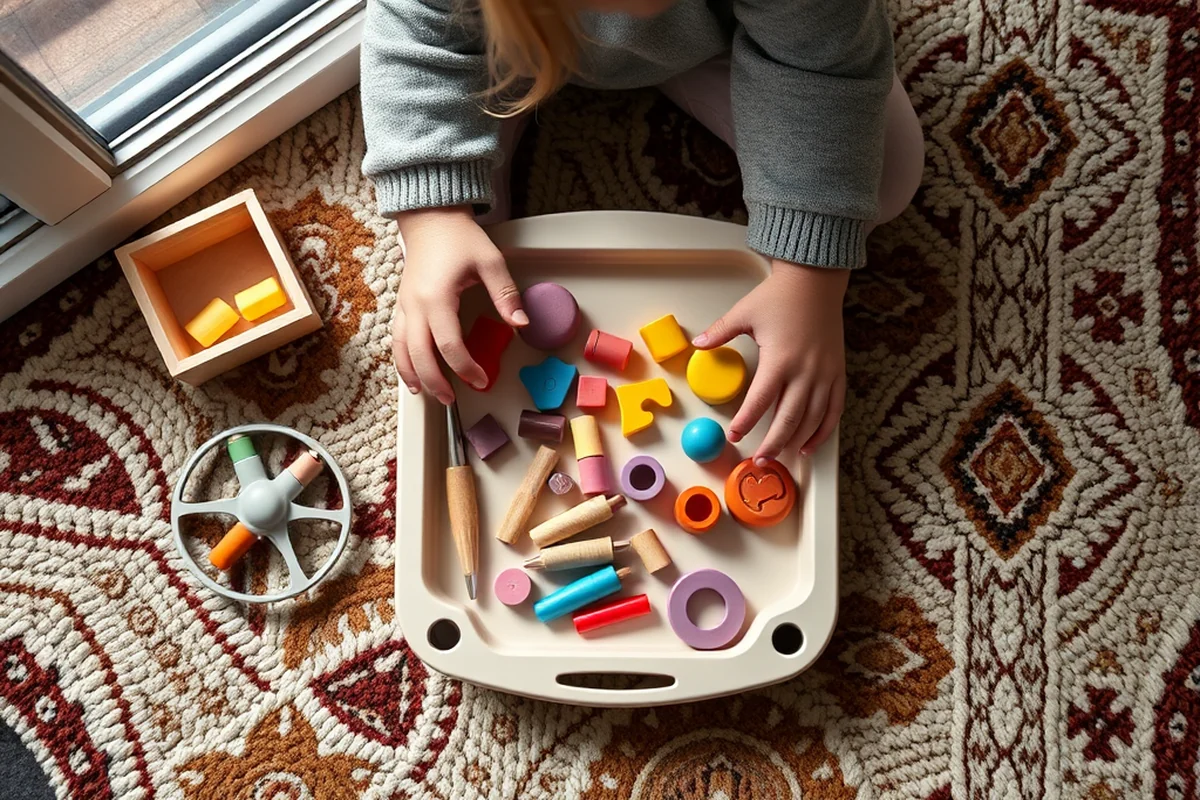
A mirror or extended display can be a valuable addition to your toddler’s daily routine. During playtime, it can provide a fun and interactive element that encourages exploration and self-discovery. It can also be used during bath time, as it allows the child to see their reflection while they splash and play in the water.
Mirrors can also help with transitions between activities. For example, they can be used during dressing time, as the child can see themselves putting on their clothes. This helps them understand the process and feel more confident in their actions.
By integrating a mirror or extended display into daily routines, you can create opportunities for learning, play, and self-discovery. It’s a simple but powerful tool that can support your toddler’s development in many ways.
Related: Kids vanity led mirror
The Benefits of an Extended Display for Toddlers
An extended display has several benefits over a traditional mirror. One of the main advantages is that it provides a larger surface for visibility. This allows the toddler to see more of their body at once, which helps them understand their shape and movement. It can also be used to see objects next to them, which encourages spatial awareness and exploration.
Another benefit of an extended display is that it allows for more interaction. The child can see themselves from different angles or even play with their reflection. This interaction can help build self-awareness, confidence, and early communication skills.
In addition, an extended display can be a fun tool for play. It can be used for games like 'spot the difference,' where the toddler looks for changes in their reflection. It can also be used to explore different movements and how they affect the reflection. This makes it a versatile tool that can support development in many areas.
Related: Kids side mirror
Creating a Safe and Engaging Environment for Your Toddler
Creating a safe and engaging environment for your toddler is crucial when using a mirror or extended display. First, ensure that the mirror or display is placed in a safe location, away from sharp edges or corners that could cause injury. It should also be out of reach of other children or pets who may knock it over.
Engaging your toddler in the use of the mirror or display can help make the experience more interactive and enjoyable. You can play games with them, like showing them their reflection or asking them to move their arms and legs to see how their movements affect the image.
By creating a safe and engaging environment, you can help your toddler explore and interact with the mirror or extended display in a fun and meaningful way. It’s a simple but powerful way to support their development and build a strong foundation for future learning.
A safe and engaging environment makes all the difference in how a toddler interacts with a mirror.
Related: Kids mirror game
Choosing Between a Mirror and an Extended Display for Your Toddler
Choosing between a mirror and an extended display for your toddler depends on several factors. One of the most important is your toddler’s developmental stage. If they are just beginning to explore their body, a mirror may be sufficient. However, if they are ready for more interaction and exploration, an extended display might be the better option.
Another factor to consider is your family’s needs. If you have a limited space, a mirror may be more practical. However, if you have the space and want to encourage more interaction, an extended display might be the way to go. It’s also important to consider the safety of the mirror or display and ensure it’s suitable for your toddler’s age.
The choice between a mirror and an extended display depends on your toddler’s needs and your family’s preferences. By considering these factors, you can choose the option that best supports your toddler’s development and makes the experience enjoyable for everyone.
👶 Gentle Approach
Start with a small mirror that offers a clear reflection and is easy for your toddler to interact with.
🚀 Fast-Track
Choose an extended display that offers a large surface and can be used for quick, interactive play sessions.
✈️ Travel/away-from-home
Opt for a portable mirror or display that can be easily packed and used while on the go.
👯 Multiples
Select a mirror or display that can accommodate multiple children and encourage group play and interaction.
🔄 Regression Reset
Use a mirror or extended display to help your toddler reconnect with self-awareness during developmental changes.
| The mistake | Why it happens | The fix |
|---|---|---|
| Choosing a mirror that is too small for the toddler’s needs. | A small mirror may not provide enough visibility for the toddler to see themselves clearly, which can limit their development and engagement. | Choose a mirror or extended display that is large enough for your toddler to see themselves clearly and interact with it comfortably. |
| Placing the mirror in a location that is unsafe for the toddler. | A mirror placed near sharp edges or corners can be a hazard if it falls or is knocked over, potentially causing injury. | Ensure the mirror or display is placed in a safe, secure location where it cannot be easily knocked over or broken. |
| Not using the mirror or extended display consistently in daily routines. | Consistent use of the mirror or display is important for supporting your toddler’s development and ensuring they benefit from the experience. | Integrate the mirror or extended display into your toddler’s daily routine, using it during playtime, bath time, and other activities. |
| Choosing a mirror that is not suitable for a toddler’s age. | A mirror that is too large or complex for a toddler’s developmental stage can be overwhelming or ineffective for their needs. | Choose a mirror or extended display that is appropriate for your toddler’s age and developmental stage, ensuring it’s safe and easy to use. |
Choose Mirror Or Extend Display
Common Questions
Can a mirror help my toddler with speech development?
Is a mirror safe for a toddler to use?
How often should I use a mirror with my toddler?
Can an extended display be used for more than just self-exploration?
References
- Managing Projection Settings (Extend/Mirror) - IT Solutions Center (itsolutions.kutztown.edu)
Cite this guide
Choosing a Toddler Mirror (2026). Choose Mirror Or Extend Display. https://toddlersee.com/choose-mirror-or-extend-display/
Feel free to cite or share this guide.