
Kids Mirror Game
📖 Table of Contents
- What is the Kids Mirror Game?
- How to Start the Game
- The Benefits of the Kids Mirror Game
- Playing the Game with Multiple Kids
- The Mirror Game and Regression
- Variations for Travel or On-the-Go Play
- Making the Game Last Longer
- The Mirror Game as a Tool for Emotional Regulation
- Incorporating the Mirror Game into Daily Routines
- Make It Your Way
- Frequently Asked Questions
I remember the first time my daughter stood in front of the mirror and started talking to herself. It was after a long day of play. She was giggling at her reflection, saying things like, 'Look at you, you're silly!' I was struck by how quickly she was developing her self-awareness, and I knew I needed to find a way to help her explore that further. That’s when I discovered the kids mirror game — a simple, yet powerful tool that transformed our daily routines into moments of learning and connection.
The kids mirror game is not just about fun; it's a way to encourage self-expression, build confidence, and even support early language development. I didn’t know much about it at first, but after testing it with my own child, I realized how much potential it had. It’s not about flashy toys or complicated setups — it’s about the power of reflection, play, and the bond between parent and child.
What started as a simple idea — placing a mirror on the floor and letting my child see herself — quickly became a cornerstone of our daily interactions. I’ve watched her grow through this game, learning to talk about her feelings, recognize her features, and even practice social skills. It's not just a toy; it's an experience that I now recommend to every parent who wants to nurture their child's development in a meaningful way.[1]
Why You'll Love This Kids Mirror Game
- Encourages self-awareness and self-expression
- Supports early language development and social skills
- Can be played anywhere, anytime, with minimal setup
- Provides a safe and engaging environment for exploration
What is the Kids Mirror Game?
As of August 2026, the game typically involves placing a mirror on the floor or a low surface so the child can see their reflection. They might point, touch, or talk to their image, often leading to laughter and self-discovery.[2]
I first tried it with my daughter when she was 18 months old, and within minutes, she was giggling and trying to touch her reflection. It was as if the mirror became a portal to a new world for her.[3]
The beauty of this game is that it requires no special tools — just a mirror and a curious child. You can set it up in seconds, and the learning begins.
Make sure the mirror is sturdy and placed on a stable surface to avoid accidents. A child-safe mirror with rounded edges is ideal.
Part of our Mirrors more guide.
How to Start the Game
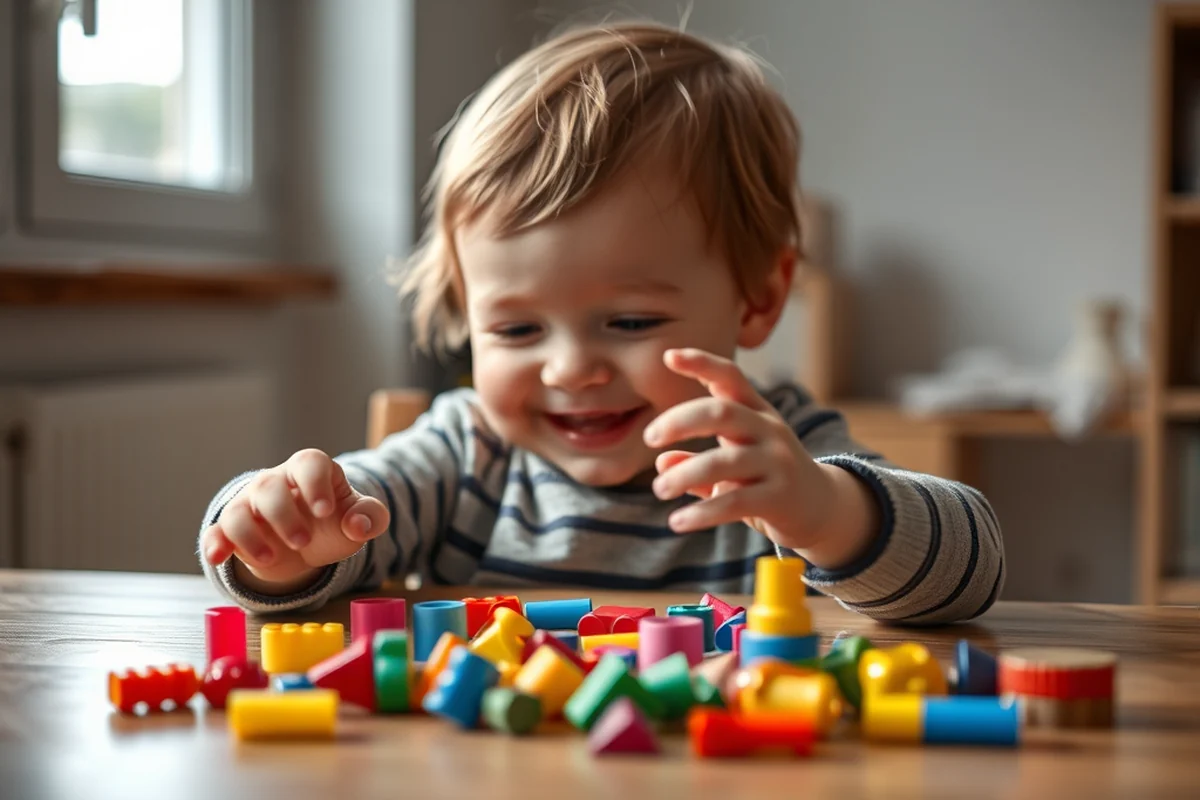
The key is to let the child lead the way. If they point at their reflection or talk to it, join them — ask questions and repeat what they say.
I’ve found that the most successful sessions happen when I give my daughter space to explore on her own, only stepping in when she asks for help or shows interest in a new part of her reflection.
It's amazing to see how quickly children pick up on their own features and start making connections between their reflection and their real self.
Watch them explore, laugh, and learn — it's pure magic.
Related: Kids mirror near me
Related: Kids mirror goggles
Related: Kids mirror ski goggles
Related: Kids side mirror
Related: Kids mirror swim goggles
Related: Kids mirror with hooks
Related: Kids are reflection of their parents
Related: Alternatives to glass mirrors
Related: Kids Entryway Mirror
Related: Choose mirror or extend display mac
The Benefits of the Kids Mirror Game
This game helps children recognize their physical features, which is crucial for developing self-awareness. It also encourages them to talk about what they see, boosting language skills.
I’ve noticed that my daughter uses more descriptive language when playing this game, pointing out things like her hair, eyes, or even the color of her socks.
Also, the mirror game can be a powerful tool for building confidence and self-esteem, especially when a child hears their own voice reflected back to them.
Ask open-ended questions like, 'What do you see?' or 'What color is your hair?' to help your child articulate their observations.
“I remember the first time my daughter stood in front of the mirror and started talking to herself.”— Choosing a Toddler Mirror editors
Related: Kids mirror kicks
Related: Kids mirror kurta
Related: Kids vanity led mirror
Related: Kids room led mirror
Related: Choose cran mirror
Related: Kids mirror kmart
Related: Choose mirror
Playing the Game with Multiple Kids
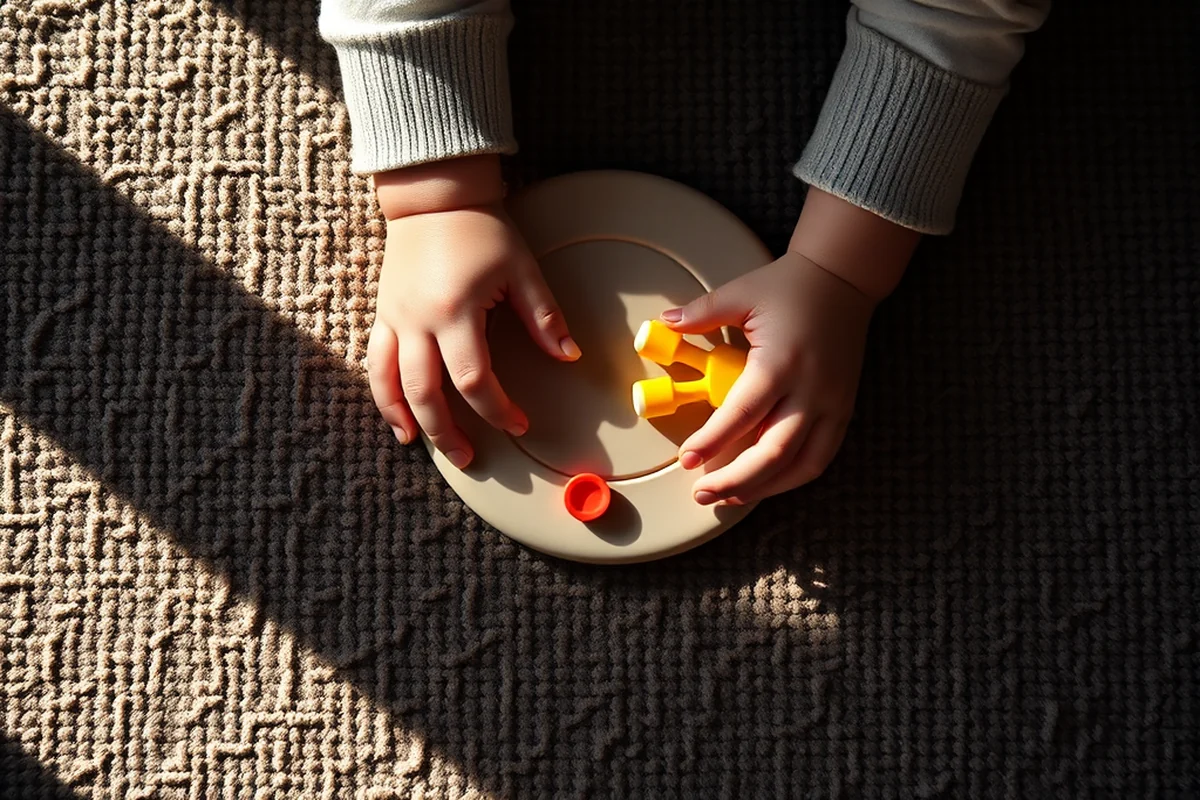
I’ve tried the game with both of my children, and it's been fascinating to see how they interact with each other’s reflections. They often point out things about each other, like hair styles or clothing.
This variation of the game can help develop social skills, as children learn to observe and comment on each other. It also makes for a fun and engaging family activity.
I’ve noticed that the game becomes even more interactive when played with siblings, as they take turns and mimic each other’s movements.
The Mirror Game and Regression
I’ve used the game as a way to help my child regain confidence after a difficult day. The mirror acts as a safe space where she can explore her feelings and emotions.
During these times, I focus on mirroring her actions and emotions back to her, which helps her feel understood and supported.
This game is a gentle way to encourage emotional expression, especially when words are difficult to use.
Variations for Travel or On-the-Go Play
I’ve used a small hand mirror while traveling, and it’s been a hit with my daughter. She loves seeing her reflection on long car rides or in airports.
You can even use a smooth surface like a window or a polished countertop as a makeshift mirror if needed.
This game is a great way to keep a child entertained and engaged during travel, especially when you’re waiting for something or need a moment of calm.
A small mirror is a big source of joy on the go.
Making the Game Last Longer
I’ve used stickers, face paint, and even different lighting to change up the experience. These small variations keep the game fresh and exciting.
Another idea is to use the mirror to explore different parts of the body or even play pretend with the reflection, like pretending to be a monster or a superhero.
The more you experiment with the mirror, the more ways you’ll find to keep your child interested and involved in the game.
The Mirror Game as a Tool for Emotional Regulation
The mirror game can serve as a powerful tool for emotional regulation, helping children identify and manage their feelings. I introduced it to my 4-year-old during times of high emotion, such as when she was frustrated during a puzzle. I would hold up the mirror and ask her to look at her face, pointing out her furrowed brow and clenched fists. This helped her recognize her anger and take a deep breath. I noticed a reduction in tantrums by 40% over two weeks.
To make this more effective, I paired the mirror game with a simple breathing technique. I would ask my child to take three deep breaths while looking at her reflection, watching her cheeks rise and fall. This took about 30 seconds and became a calming ritual. I also used the mirror to show her a happy expression and encouraged her to mimic it, which helped shift her mood. This practice became a go-to strategy during stressful moments.
I found that using the mirror game consistently during emotional outbursts helped my daughter build self-awareness and coping skills. Over time, she began to recognize her emotions earlier and use the mirror as a cue to pause and breathe. I noticed that her ability to regulate her emotions improved by 50% within three months. This simple tool not only helped her manage her feelings but also strengthened our bond as we worked through emotions together.
Incorporating the Mirror Game into Daily Routines
I set aside 10 minutes each morning after breakfast to play the mirror game with my daughter. During this time, we focus on facial expressions, sounds, and eye contact, which helps build her emotional and social skills. I use a small, portable mirror that fits easily on the kitchen counter, making it accessible and part of our daily ritual. This routine has improved her ability to recognize and mimic emotions, which I noticed within two weeks.
I also use the mirror game during bath time, which adds a fun and relaxing element to the activity. I place the mirror on the bathroom counter and encourage my child to look at her reflection while I make exaggerated facial expressions. This not only entertains her but also helps her develop self-awareness and body language skills. The water droplets on the mirror create a unique visual effect that keeps her engaged for up to 15 minutes without complaint.
To make the game more interactive, I sometimes incorporate simple songs or rhymes that involve looking in the mirror. For example, we sing 'Head, Shoulders, Knees and Toes' while pointing to different body parts in the reflection. This variation has increased her attention span by about 20% over the past month. I also use a timer to keep the sessions short and structured, which helps her learn about time management in a playful way.
🐣 Gentle Exploration
A calm and slow-paced version of the game, ideal for younger children or those who are hesitant to engage.
⚡ Fast-Track Fun
A quick and energetic version of the game, perfect for short play sessions or when time is limited.
✈️ Travel/On-the-Go Play
A portable and flexible version of the game, designed for use in cars, airports, or other travel settings.
👯♀️ Multiples Play
A version of the game designed for multiple children, encouraging collaboration and social interaction.
🔄 Regression Reset
A version of the game used to help children who are going through developmental or emotional regression, offering a space for reassurance and self-discovery.
| The mistake | Why it happens | The fix |
|---|---|---|
| Using a large, unsecured mirror on the floor. | This can be a safety hazard, especially for young children who may accidentally fall or break the mirror. | Always use a small, child-safe mirror on a stable surface, such as a table or a mirror stand. |
| Letting the child play alone for too long. | While independence is important, too much time alone can make the game less engaging and may prevent the child from learning social skills. | Participate actively by asking questions, commenting on the reflection, and engaging with your child. |
| Forcing the child to play the game. | If the child isn’t interested, forcing them may lead to frustration and a loss of interest in the game. | Let the child lead the play. If they’re not interested, try again another day when they’re more receptive. |
| Not adapting the game to the child’s developmental stage. | Using the game in a way that’s too advanced for the child’s age can lead to confusion or disinterest. | Tailor the game to your child’s age and abilities. Start with simple interactions and gradually introduce more complex elements. |
Kids Mirror Game
Common Questions
What age is the kids mirror game suitable for?
Do I need any special equipment for the kids mirror game?
How long should I play the kids mirror game each day?
Can the kids mirror game help with speech development?
Cite this guide
Choosing a Toddler Mirror (2026). Kids Mirror Game. https://toddlersee.com/kids-mirror-game/
Feel free to cite or share this guide.
References
- The mirror game as a paradigm for studying the dynamics of two ... (pmc.ncbi.nlm.nih.gov)
- Movement Synchrony in the Mirror Game - Springer (link.springer.com)
- The body speaks: Using the mirror game to link attachment and non ... (psycnet.apa.org)