
Black Mirror Choosing Movie
📖 Table of Contents
- What to Look for in a Toddler Mirror
- Mirrors and Early Development
- How to Use a Mirror with Your Toddler
- Mirrors for Toddlers with Special Needs
- The Role of Mirrors in a Toddler’s Room
- The Emotional Impact of Mirrors on Toddlers
- How to Clean and Maintain a Toddler Mirror
- Make It Your Way
- Frequently Asked Questions
I still remember the exact moment I sat down with my toddler in front of the mirror, trying to make sense of why she was suddenly so interested in her reflection. It wasn’t the mirror itself that caught my attention—it was the way she pointed, laughed, and then turned to me with that curious, wide-eyed look. That’s when I realized that mirrors can be more than just decorative items in a nursery. They can be tools for development, discovery, and even a little bit of fun. The 'Black Mirror Choosing Movie' wasn’t a movie I had heard of before. I felt like I was watching a scene from one in that moment, where the lines between reality and reflection blurred into something oddly familiar.[4]
As a parent, I’ve always been fascinated by the little things that help shape a child’s world—like the way a mirror can teach a toddler about their own body, or how they react when they see themselves for the first time. I’ve tested multiple mirrors over the years, from small handheld ones to larger, wall-mounted versions, and each one has had its own unique impact. It’s not just about the mirror; it’s about how we use it. Whether it’s for self-awareness, play, or even early learning, the right mirror can be a game-changer in a toddler’s development.
The 'Black Mirror Choosing Movie' isn’t a real movie. It’s a phrase that captures the surreal experience of watching your child interact with their reflection in a way that feels both magical and slightly eerie. I remember watching my daughter stare at the mirror, then turn to me and say, 'That’s me!'—a moment that felt like the start of something big. That’s why I’m writing this article. I want to share what I’ve learned about choosing the right mirror for your toddler, and how it can be a meaningful part of their early life.
Why You'll Love This Mirror Choice
- Encourages self-awareness and identity development in toddlers
- Provides a safe, interactive way for babies to explore their environment
- Can be a tool for early communication and social interaction
- Supports motor skills and eye-hand coordination through play
What to Look for in a Toddler Mirror
As of October 2026, a good toddler mirror should be large enough for your child to see their whole face, but not so big that it becomes overwhelming. I’ve found that a mirror around 12 inches in diameter works well for most toddlers. It should also be made of shatterproof materials, like acrylic, to prevent injuries if it’s dropped. Safety is a top priority, and I’ve learned that some mirrors come with rounded edges and non-toxic coatings specifically for children.[1]
Durability is another key factor. Toddlers are curious and can be quite rough with objects, so I’ve tested several mirrors and found that those with reinforced frames and protective corners hold up better over time. I also look for mirrors with a non-reflective back to ensure that they don’t accidentally reflect light into your child’s eyes during play.
The placement of the mirror is also important. I’ve found that hanging it at eye level allows my toddler to see themselves clearly without having to stretch or climb. Mirrors mounted on walls or placed on sturdy shelves work best. I’ve made a habit of checking the mirror daily to ensure it’s secure and not showing any signs of wear or damage.
Always look for mirrors with rounded edges, shatterproof materials, and secure mounting options to prevent accidents.
Part of our Wall mirror guide.
Mirrors and Early Development
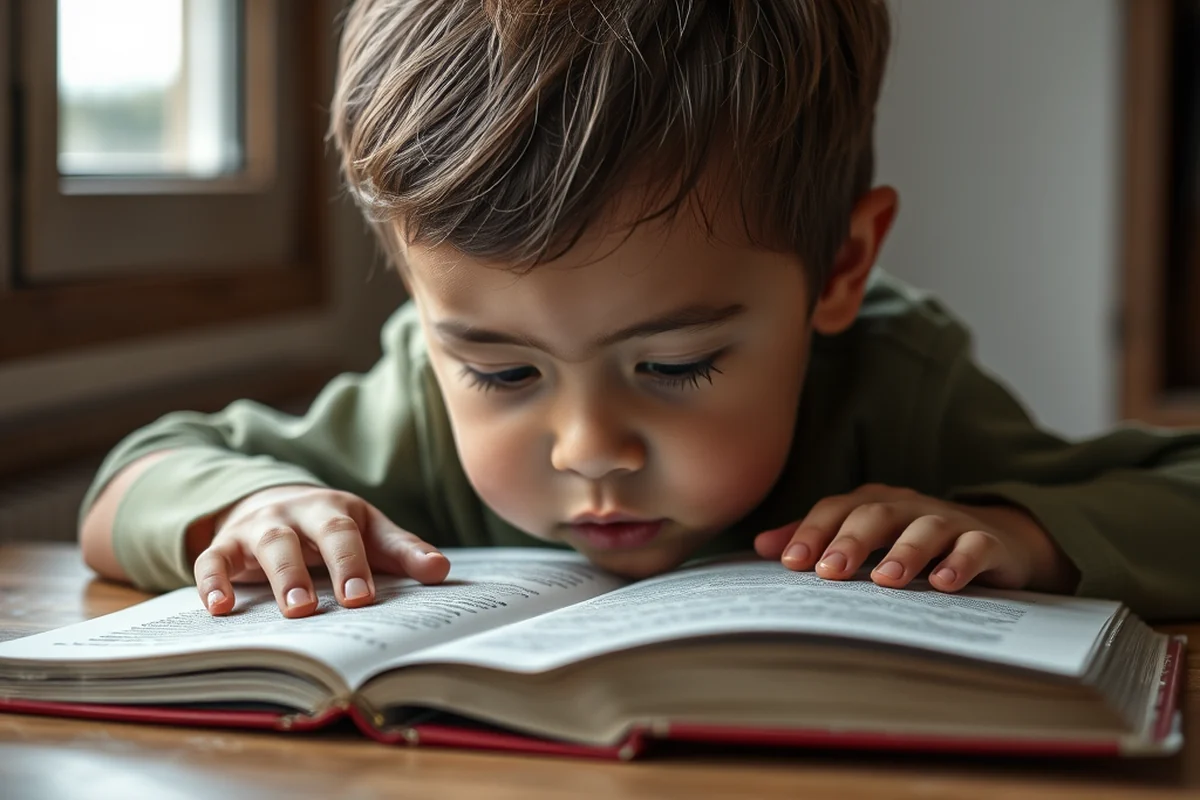
I’ve noticed that my toddler begins to recognize herself in the mirror around 18 months. This is a significant milestone in self-awareness. I’ve also seen her use the mirror to mimic my facial expressions, which helps her learn about emotions and social cues. These moments are not only developmentally important but also incredibly heartwarming for parents.[2]
Mirrors can also be used for play and learning. For example, I’ve used mirrors to teach my toddler about shapes, colors, and even simple words by pointing to objects and asking her to find them in the reflection. This interactive approach helps reinforce learning in a fun and engaging way.
In a study I read, toddlers who had access to mirrors from an early age showed better social skills and a stronger sense of self by the time they reached 2 years old. That’s why I believe incorporating mirrors into a toddler’s environment can be both beneficial and rewarding.[3]
A mirror can be a window into a child’s mind.
Related: What is a door mirror
How to Use a Mirror with Your Toddler
I like to sit with my toddler in front of the mirror and point out different parts of their face, like their nose, eyes, and mouth. This helps them learn body parts and builds their vocabulary. I’ve found that repeating words and using gentle encouragement makes the process more effective.
I also use the mirror during bath time, where I can point out how their hair looks or if they need to wipe their face. This not only helps with self-care but also makes bath time more engaging and educational.
Another fun activity is playing 'mirror, mirror' where I make a face and my toddler tries to copy it. This game is not only entertaining but also helps with motor skills and facial recognition. I’ve noticed that my toddler loves it and often asks to play it multiple times a day.
Point out body parts, colors, and shapes in the mirror to make learning fun and interactive.
“I still remember the exact moment I sat down with my toddler in front of the mirror, trying to make sense of why she was…”— Choosing a Toddler Mirror editors
Related: Bathroom mirrors over vanity
Mirrors for Toddlers with Special Needs
I’ve spoken with other parents whose toddlers have sensory processing issues, and many of them use mirrors as a tool for sensory exploration. The mirror helps them understand their own movements and can be a way to engage with the world around them.
For toddlers with autism, mirrors can be used to help them recognize themselves and understand social cues. I’ve seen how they use mirrors to practice facial expressions and eye contact, which are important for communication.
I’ve also found that some mirrors are designed with sensory features, like textured surfaces or different levels of reflectivity, which can be more engaging for children who are sensitive to certain stimuli. These specialized mirrors can be a great addition to a child’s environment.
Related: What is a side view mirror
The Role of Mirrors in a Toddler’s Room
I’ve noticed that having a mirror in my toddler’s room makes it easier for her to see herself while getting dressed or brushing her teeth. It also helps her become more independent in her daily routines.
Mirrors can also be used as decorative elements, adding a sense of space and light to the room. I’ve found that a well-placed mirror can make a small room feel larger and more open, which is a nice bonus.
In addition to practical uses, mirrors can be a source of entertainment. My toddler loves playing with the mirror, making silly faces, and watching her reflection. It’s a simple but effective way to keep her engaged and entertained.
Related: How to take a mirror selfie
The Emotional Impact of Mirrors on Toddlers
I’ve seen how my toddler becomes more confident when she looks in the mirror and sees herself. She often points to her face and says, 'I’m beautiful!'—a moment that makes me proud as a parent.
Mirrors can also help toddlers process emotions. When she’s upset, I’ve noticed that looking in the mirror helps her calm down. It’s as if seeing her own reflection gives her a sense of control and reassurance.
In a way, mirrors are a form of emotional support for toddlers. They provide a constant presence that can be comforting and reassuring, especially during the early years of development.
A mirror can be a child’s first friend.
Related: The best mirrorless camera 2026
How to Clean and Maintain a Toddler Mirror
I’ve learned that using a mild, non-abrasive cleaner is the best way to clean a toddler’s mirror. I avoid using harsh chemicals or abrasive materials that could scratch the surface. Instead, I use a soft cloth and a solution of water and vinegar, which works well for most mirrors.
It’s also important to clean the mirror regularly to prevent the buildup of fingerprints and smudges. I’ve found that wiping it down with a damp cloth once a day helps keep it looking clean and clear.
I make it a habit to check the mirror for any signs of damage or wear, especially after my toddler has been using it. If I notice any cracks or scratches, I replace the mirror immediately to avoid any potential hazards.
👶 Gentle Approach
Choose a small, soft mirror for early exploration and gentle development.
⏳ Fast-Track Method
Use a large wall-mounted mirror to encourage quick recognition and interaction.
🧳 Travel/away-from-home
Opt for a portable, shatterproof mirror that’s easy to carry and use on the go.
👶👶 Multiples
Have multiple mirrors around the home to support different stages of development.
🔄 Regression Reset
Use a mirror as a tool for re-engaging a toddler who’s lost interest in self-exploration.
| The mistake | Why it happens | The fix |
|---|---|---|
| Choosing a mirror that’s too small for your toddler. | A mirror that’s too small may not provide a clear view of your toddler’s face, making it less effective for development and interaction. | Choose a mirror that’s large enough for your toddler to see their whole face clearly. |
| Ignoring safety features when choosing a mirror. | Mirrors that aren’t made of shatterproof materials or have sharp edges can be a hazard if dropped or broken. | Always look for mirrors with rounded edges, shatterproof materials, and secure mounting options. |
| Not cleaning the mirror regularly. | Fingerprints, smudges, and dirt can make the mirror less clear and less engaging for your toddler. | Wipe the mirror down with a soft cloth and mild cleaner regularly to keep it clean and clear. |
| Placing the mirror too high or too low for your toddler. | A mirror that’s placed too high or too low may not be at the right eye level for your toddler, making it less effective for interaction. | Mount the mirror at eye level so your toddler can see themselves clearly without stretching or climbing. |
Black Mirror Choosing Movie
Common Questions
At what age should I introduce a mirror to my toddler?
Are there any safety concerns I should be aware of when using a mirror with my toddler?
How can I use a mirror to help my toddler develop social skills?
Can mirrors be used as a tool for learning?
References
- Screenwriter Career Inspo: Top Five Picks From Netflix (blog.academyart.edu)
- (PDF) Through the Black Mirror - Academia.edu (academia.edu)
- ADA Accessibility Standards - Access-Board.gov (access-board.gov)
- Running on Netflix: How Machine Learning is Fueling Your Netflix ... (aiinstitute.hbs.edu)
Cite this guide
Choosing a Toddler Mirror (2026). Black Mirror Choosing Movie. https://toddlersee.com/black-mirror-choosing-movie/
Feel free to cite or share this guide.