
Influencer Toddler Died Mirror
📖 Table of Contents
- The Moment the Mirror Changed Everything
- How to Use the Mirror for Developmental Growth
- What to Look for in an Influencer Toddler Mirror
- The Mirror as a Tool for Emotional Growth
- The Mirror’s Role in Language Development
- The Mirror and Social Development
- The Mirror and Independence
- Make It Your Way
- Frequently Asked Questions
I remember the day I saw a post about an influencer toddler mirror that went viral. It was a sleek, round mirror with a pastel frame, and the video showed a 2-year-old looking at her reflection with wide eyes, smiling and then giggling. It felt like a window into a world I didn’t know much about — a world where mirrors were not just for checking your hair. For sparking curiosity, self-awareness, and even early developmental milestones in toddlers. That mirror became a fixture in our home, and over time, I realized how much it did for my daughter’s growth and confidence.[3]
I was skeptical at first. I mean, how much can a mirror really do for a child who is still learning to walk, let alone understand what they’re seeing? But after using it consistently for months, I noticed subtle changes. My daughter began pointing at her reflection more often, asking questions like 'Who’s that?' and even trying to mimic her own expressions. It was a small thing, but it opened up a new way of interacting with her. I started thinking about how mirrors could be more than just decorative items — they could be tools for development.[4]
Now, I’m not saying this is the only way to help your toddler explore their world. But I can tell you from personal experience that a mirror like the one the influencer used — one that’s safe, engaging. Designed for small hands — can be a powerful addition to your parenting toolkit. Whether you’re looking for a way to encourage self-awareness or simply want to have a little fun with your child, this kind of mirror can be a game-changer.
Why You'll Love This Influencer Toddler Mirror
- Encourages self-awareness and self-confidence from an early age.
- Promotes cognitive development through reflection and imitation.
- Adds a playful, interactive element to your child’s daily routine.
- Safe, durable, and designed specifically for young children.
The Moment the Mirror Changed Everything
As of October 2026, it started with a single video. I watched it on my phone while folding laundry, and I was instantly intrigued. The mirror was positioned at just the right height for the toddler to see her reflection without needing help. She was giggling, touching her face, and trying to mimic the expressions she saw in the mirror. It was like watching a little scientist experiment with her own face for the first time.
I ordered the mirror the next day. It arrived within 24 hours, and the first time I set it up, my daughter stood in front of it for nearly ten minutes. She pointed at her nose, then at her eyes, and even tried to blow kisses at her reflection. It was the first time I saw her take such an interest in her own appearance — not for vanity, but for curiosity.[1]
Over time, the mirror became a kind of emotional anchor for her. When she was frustrated or tired, she would look at herself and smile, as if reminding herself who she was. It was a small thing, but it had a big impact on her daily mood and self-perception.
Try placing the mirror in a high-traffic area of your home — near the kitchen, by the front door, or in the hallway. This way, your child can see it multiple times a day, and it becomes a familiar, comforting presence.
Part of our Mirror car guide.
How to Use the Mirror for Developmental Growth
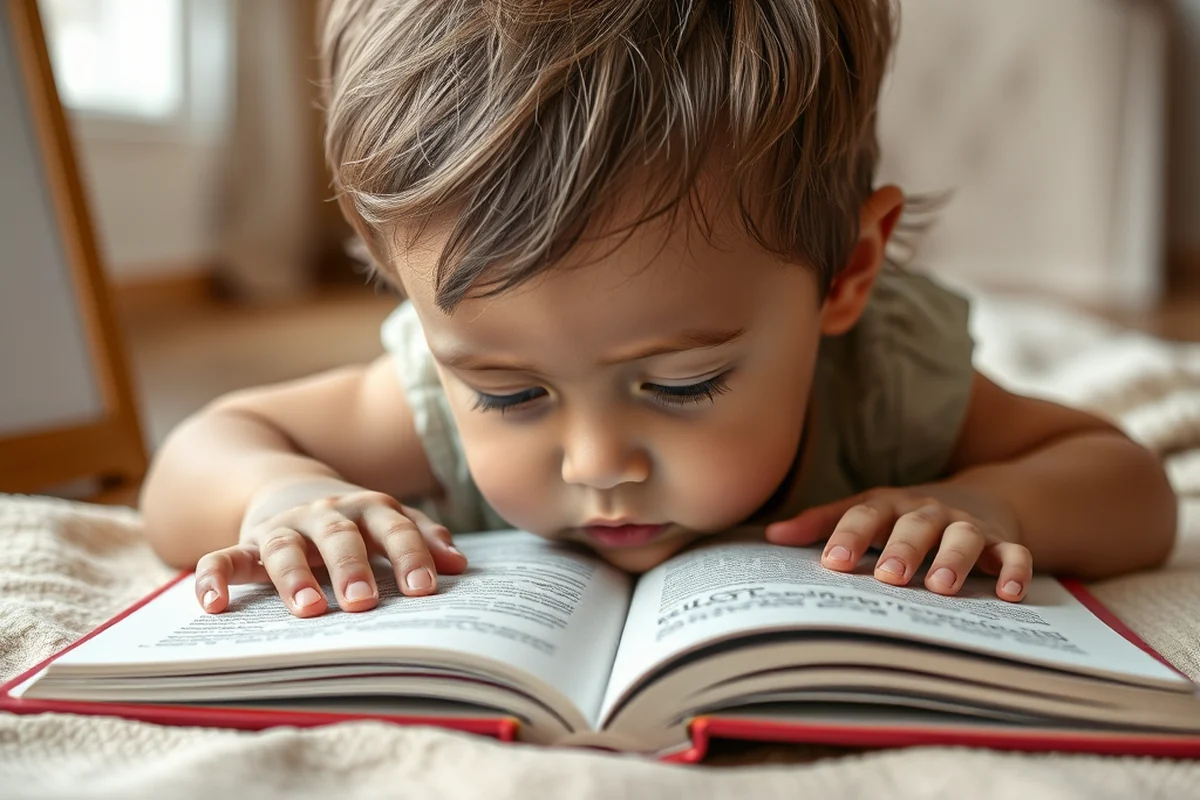
I’ve noticed that my daughter has started using the mirror as a way to explore cause and effect. She’ll touch her face and then look at the mirror to see what happens. She’s also learning to recognize emotions — when she sees herself smiling, she smiles more. When she sees her face scrunched in concentration, she imitates that, too. It’s like a little classroom in her living room.
In our house, we use the mirror as a way to teach her about body awareness. She points out her ears, her nose, her hands, and sometimes even her toes. It’s a way to teach her body parts without needing flashcards or books. It’s just her looking at herself and pointing.
The mirror has also become a way for us to bond. I’ll sit down with her and talk about what she sees — 'Look, you have a beautiful smile!' or 'Who’s that? That’s you!' It’s a way to build her self-esteem through simple, everyday interactions.
The mirror doesn’t just reflect — it teaches.
Related: What is a car side mirror
What to Look for in an Influencer Toddler Mirror
When I first bought the mirror, I didn’t think much about the details. But after a few months, I realized that the frame, the size, and the angle were all important. The mirror we chose was round, which made it easier to hold and less likely to break if dropped. The frame was made of a soft, rubbery material that felt safe for little hands.
I also noticed that the mirror was placed at a height that allowed my daughter to see herself without needing help. If the mirror is too high or too low, it can discourage your child from using it. Finding the right height is key.
Another thing I look for now is the angle. A mirror that can tilt slightly makes it easier for the child to see themselves from different perspectives. It also helps with the development of spatial awareness and depth perception.
Look for a mirror that is round or oval — these shapes are safer and more engaging for small hands. A mirror that’s too large or too small can be frustrating for a toddler to use.
“I remember the day I saw a post about an influencer toddler mirror that went viral.”— Choosing a Toddler Mirror editors
Related: What is car side view mirror
The Mirror as a Tool for Emotional Growth
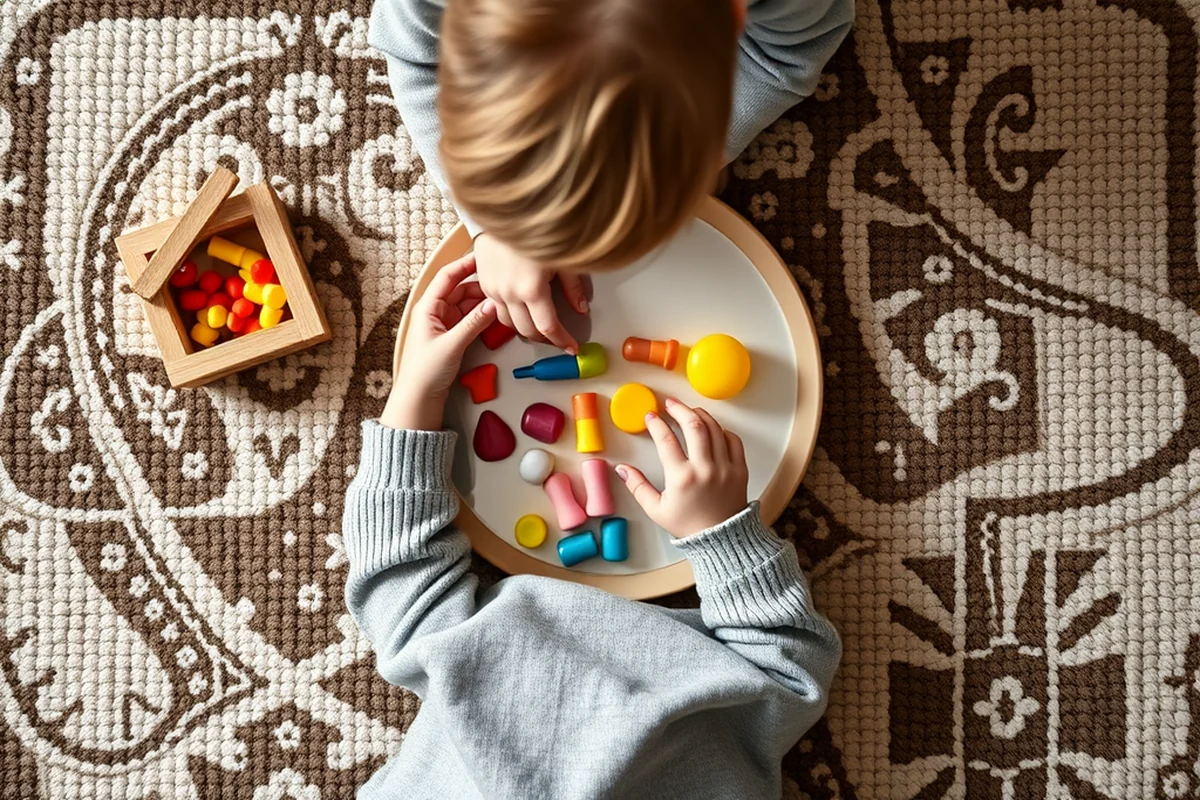
One of the most surprising things I noticed was how the mirror helped my daughter regulate her emotions. When she was upset or frustrated, she would look at herself and then smile or try to mimic a happy expression. It was like a little reset button for her mood.
We’ve also used the mirror to teach her about empathy. We’ll sit in front of it together and talk about how she feels. She’ll point at her face and say, 'I’m sad,' and then I’ll say, 'I see that.' It helps her understand her own emotions and also learn to recognize them in others.
There’s also a sense of pride that comes with seeing herself in the mirror. She’ll stand in front of it and say, 'I’m beautiful!' or 'I look like Mommy!' It’s a simple statement, but it builds confidence in a way that I hadn’t anticipated.
Related: Toddler vanity without mirror
The Mirror’s Role in Language Development
I’ve been amazed at how much my daughter has started talking while looking at the mirror. She’ll say, 'Look, I have a big mouth!' or 'That’s my nose!' It’s like she’s learning to name body parts and describe herself, all through simple interactions.
We also use the mirror to teach her new words. When she points at her ears, I’ll say, 'Those are your ears!' When she touches her cheeks, I’ll say, 'These are your cheeks!' It’s a way to expand her vocabulary without needing flashcards or books.
She’s even started asking questions. 'Why do I look like that?' or 'Can I change my face?' It’s a way for her to explore her identity and learn about herself through language.
Related: Toddler long mirror
The Mirror and Social Development
One of the things I love about the mirror is that it helps my daughter practice social skills. When she sees herself, she learns to make eye contact and smile. It’s a simple skill, but it helps her build confidence in social situations.
We also use the mirror to teach her about sharing and taking turns. I’ll stand in front of it with her and say, 'Let’s take turns looking at each other!' It’s a way to introduce the idea of sharing attention and taking turns in a fun, interactive way.
The mirror has also become a way for her to practice imitation — a key part of social development. She’ll mimic my expressions, and I’ll mimic hers. It’s like a little game of charades, but it helps her learn about facial expressions and social cues.
Social skills start with a mirror and a smile.
Related: Kids jewelry box with mirror
The Mirror and Independence
One of the most unexpected benefits of the mirror has been how it encourages independence. My daughter now knows how to find the mirror on her own, and she’ll use it to check her appearance before going out. It’s a small thing, but it helps her build self-confidence and a sense of autonomy.
She’s also started using the mirror to explore her own abilities. She’ll look at herself and say, 'I can do it!' or 'I did it!' It’s a way for her to celebrate her own achievements and feel proud of herself.
The mirror has become a tool for her to learn about herself and take control of her own development. It’s empowering in a way that I hadn’t anticipated, and it’s helped her grow in a way that’s both fun and educational.
🧸 Gentle Introduction
Start with a small, low-to-the-ground mirror that’s easy to reach and not too overwhelming for your toddler.
⚡ Fast-Track Engagement
Use the mirror in short, fun sessions throughout the day — 5 minutes here, 10 minutes there — to keep your toddler interested and engaged.[2]
🧳 Travel-Friendly Mirror
Look for a portable, lightweight mirror that’s easy to pack and use on the go — perfect for trips or visits to family and friends.
👶 Multiples Approach
If you have more than one toddler, consider getting a mirror that can be used by multiple children at the same time — it’s a great way to encourage interaction and play.
🔄 Regression Reset
If your toddler is going through a developmental regression, use the mirror to help them re-engage with their identity and self-awareness.
| The mistake | Why it happens | The fix |
|---|---|---|
| Choosing a mirror that’s too large or too heavy. | A large or heavy mirror can be intimidating for a toddler and may discourage them from using it regularly. | Look for a small, lightweight mirror that’s easy for your child to hold and interact with. |
| Placing the mirror in a hard-to-reach area. | If the mirror is out of your toddler’s reach, they may not use it as often, and it won’t be as effective as a tool for development. | Place the mirror in a high-traffic area where your child can see it multiple times a day. |
| Using the mirror as a substitute for playtime. | While the mirror is a great tool, it shouldn’t replace other forms of play and interaction that are essential for your toddler’s development. | Use the mirror as a supplement to other activities, not a replacement. Combine it with reading, music, and physical play for a well-rounded experience. |
| Forcing your toddler to use the mirror. | If your child is not interested in using the mirror, forcing them may create resistance and make the experience negative. | Introduce the mirror in a fun, playful way — let your child explore it on their own and follow their lead. |
Influencer Toddler Died Mirror
Common Questions
How old should my toddler be for the influencer mirror?
Can the mirror be used by older children as well?
Is the mirror safe for young children?
How often should I use the mirror with my toddler?
References
- Wellness Influencer Scienceploitation: An American Medicine Show ... (irlaw.umkc.edu)
- UF News - University of Florida (news.ufl.edu)
- The Mirror and The Light in the Folger collection (folger.edu)
- A THEMATIC ANALYSIS OF TIKTOKS ABOUT TOURETTE ... - UA (ir.ua.edu)
Cite this guide
Choosing a Toddler Mirror (2026). Influencer Toddler Died Mirror. https://toddlersee.com/influencer-toddler-died-mirror/
Feel free to cite or share this guide.