
Toddler Friendly Wall Mirror
📖 Table of Contents
- What Makes a Mirror Toddler-Friendly?
- How a Mirror Encourages Self-Awareness
- The Benefits of Mounting a Mirror at Eye Level
- Choosing the Right Mirror for Your Home
- How to Encourage Your Toddler to Use the Mirror
- The Long-Term Benefits of a Mirror for Your Toddler
- Tips for Maintaining Your Mirror
- Make It Your Way
- Frequently Asked Questions
I’ll never forget the day my 18-month-old son, Leo, stared at his reflection in a hallway mirror and said, 'Me!' It was a moment that stopped me in my tracks — not just because of the cuteness. Because it showed me how crucial a toddler-friendly wall mirror can be. Mirrors aren’t just for vanity; they’re tools that help young kids develop self-awareness, confidence, and even language skills. Choosing the right one, however, isn’t as simple as picking the most decorative mirror you can find. It’s about safety, engagement, and the kind of subtle learning that happens every time a toddler sees themselves.[1]
When I first searched for a toddler-friendly wall mirror, I was overwhelmed. There were options made of glass, acrylic, and even some with soft edges and rounded corners. But I quickly learned that most adult mirrors are too large, too reflective, and too heavy for a little one to handle. I tried one mirror that was too tall for Leo, and he ended up hitting his head on the top edge. It was a painful lesson — one that taught me that toddler-friendly wall mirrors need to be specifically designed with little ones in mind.
After weeks of research, testing, and trial and error, I finally found a mirror that worked for our family. It had a rounded frame, was mounted at Leo’s eye level, and even had a small, child-safe handle for him to pull on. But more than that, it was a mirror that made him feel seen — and that made all the difference. If you're a parent looking for a mirror that’s both safe and engaging, this article will help you choose the right one for your toddler.[2]
Why You'll Love This Toddler Friendly Wall Mirror
- It's designed with rounded edges to prevent injury.
- It's positioned at the perfect height for your toddler to see their face clearly.
- It encourages self-awareness and language development.
- It's made from durable, child-safe materials.
What Makes a Mirror Toddler-Friendly?
As of October 2026, a mirror that's safe for a toddler must have rounded edges and be made of materials that can withstand drops and impacts. I once bought a mirror with sharp corners, and it was a disaster — my toddler scratched it, and I ended up replacing it. The right mirror, on the other hand, is made from shatter-resistant materials, has no sharp edges, and is lightweight enough to be handled by small hands.
Another key factor is the size of the mirror. A mirror that's too large can be intimidating for a toddler, while one that's too small might not provide enough visual feedback. I found that a mirror that was about 18 inches in diameter was perfect for Leo — it was just large enough for him to see his whole face but not so big that he felt overwhelmed.[3]
Mounting height is also crucial. I initially hung a mirror at adult eye level, and it was way too high for Leo. He would have to stand on tiptoe to see his reflection, which wasn't safe or practical. The right height is usually around the child's eye level when they're standing, which for most toddlers is around 30 to 36 inches from the floor.[4]
When shopping for a toddler-friendly wall mirror, look for models with rounded edges, soft corners, and materials that are both durable and safe. Avoid mirrors with sharp or glass edges, as they can be dangerous for little ones.
Part of our Wall mirror guide.
How a Mirror Encourages Self-Awareness
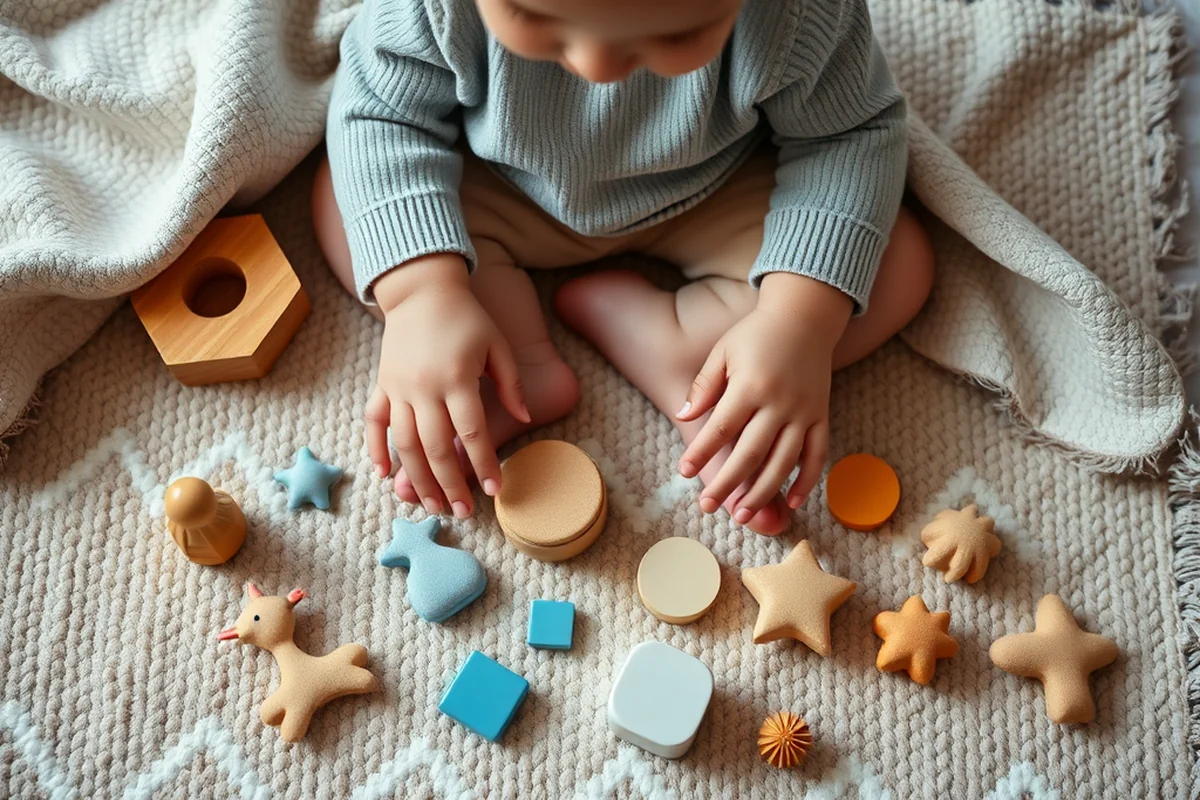
I noticed a significant change in Leo's behavior after we installed a mirror in our hallway. He began to point at himself in the mirror, saying 'Me!' and 'Look, Mommy!' more often. This was a key step in his self-awareness development. Mirrors provide a visual reference that helps toddlers understand their own body, facial expressions, and even emotions.
Mirrors also help toddlers learn how to make eye contact, which is an important social skill. Leo started noticing when I was looking at him and would mimic my expressions. It was a small thing, but it showed how mirrors can be tools for learning and development.
In addition to self-awareness, mirrors can also help toddlers learn language. Leo began to use words like 'hair' and 'eyes' more frequently after seeing them in the mirror. It was a simple way to expand his vocabulary without any effort from me.
Mirrors are more than just reflections — they're windows into your toddler's world.
Related: Screen mirroring to tv
The Benefits of Mounting a Mirror at Eye Level
When a mirror is mounted at the correct height, it allows your toddler to see their full face without straining or stretching. I found that this made Leo more likely to engage with the mirror, as he didn't have to work so hard to see himself.
Mounting the mirror at the right height also promotes independence. Leo could reach up and touch the mirror, which helped him develop fine motor skills. He learned how to use his hands to explore the mirror and eventually to use it as a tool for self-expression.
A mirror at eye level also encourages eye contact and self-reflection. Leo would often sit in front of it, looking at his own face, which helped him become more aware of his own expressions and emotions. It was a simple way to support his emotional development.
Before mounting a mirror, measure the height of your toddler's eyes when they're standing. This will give you the best placement for the mirror. Use a piece of tape on the wall as a guide to ensure the mirror is level.
“I’ll never forget the day my 18-month-old son, Leo, stared at his reflection in a hallway mirror and said, 'Me!' It was a moment that…”— Choosing a Toddler Mirror editors
Related: What is a desk mirror
Choosing the Right Mirror for Your Home
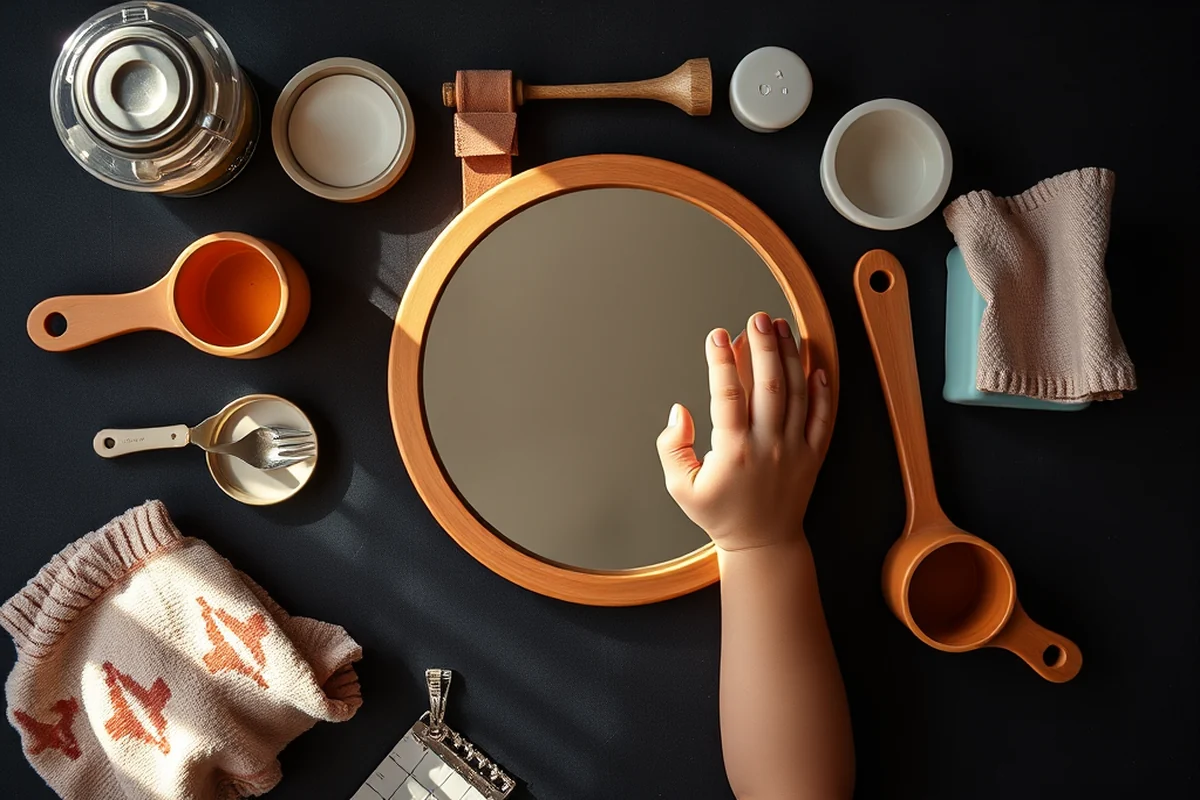
When choosing a mirror, consider the space where you'll be installing it. I initially tried to install a mirror in a narrow hallway, but it didn't fit well and felt out of place. The right mirror should fit the space and complement your home's decor while still being functional for your toddler.
Another factor to consider is the style of the mirror. I found that a mirror with a simple, neutral frame worked best in our home. It didn't stand out too much, but it was still noticeable enough for Leo to engage with. If you're going for a more decorative look, make sure the design doesn't overwhelm your toddler.
Lastly, consider the installation process. Some mirrors come with easy-to-use mounting hardware, while others require more effort. I chose a mirror that had a simple, child-safe mounting system, which made installation quick and hassle-free.
Related: Mirror selfie photography ideas
How to Encourage Your Toddler to Use the Mirror
I found that playing with the mirror was a great way to encourage Leo to use it. We would sit in front of it and make funny faces, which made him laugh and explore his own expressions. It was a fun activity that also helped him learn how to recognize different emotions.
Another way to encourage use of the mirror is to point out things in the reflection. I would say things like, 'Look at your big eyes!' or 'See your smile!' This helped Leo become more aware of his own features and even taught him new words.
I also found that using the mirror during playtime was a great way to keep Leo engaged. We would use it as part of our storytelling or pretend play, which made the mirror feel like a natural part of our daily routine.
Related: Smart mirror link
The Long-Term Benefits of a Mirror for Your Toddler
As Leo grew, the mirror continued to serve a purpose. It helped him develop better self-awareness and even supported his confidence as he became more comfortable with his own image. It was a simple tool that made a big difference in his self-perception.
I also noticed that the mirror helped Leo develop better social skills. He learned how to make eye contact and even began to mimic the expressions of others. This was an important step in his emotional and social development.
Over time, the mirror became a part of our family's daily routine. We used it during playtime, storytime, and even during morning routines. It was a tool that helped us bond with Leo and support his growth in a meaningful way.
A mirror can be a lifelong companion for your child's development.
Related: How to hand mirror
Tips for Maintaining Your Mirror
I found that cleaning the mirror regularly was important to keep it looking good and to ensure it remained safe for Leo to use. I used a soft cloth and water to wipe it down, which kept it clean without damaging the surface.
Another tip is to avoid using harsh chemicals or abrasive materials on the mirror. I once tried using a commercial glass cleaner, and it left a cloudy residue that was hard to remove. A simple, child-safe cleaning solution worked best for me.
Lastly, I made sure to check the mirror regularly for any signs of wear or damage. This helped me catch any potential issues before they became a problem. Regular maintenance ensured that the mirror remained a safe and functional part of our home.
👶 Gentle Approach
Start slowly with a small mirror that's easy for your toddler to see and touch.
⏱️ Fast-Track Installation
Choose a mirror that comes with easy mounting hardware for quick installation.
🧳 Travel-Friendly Mirror
Opt for a portable, lightweight mirror that can be taken on trips or used in different rooms.
🔁 Multiple Mirrors
Install multiple mirrors in different areas of your home to give your toddler more opportunities for engagement.
🔄 Regression Reset
If your toddler is going through a developmental stage, use the mirror as a tool to help them re-engage with their reflection.
| The mistake | Why it happens | The fix |
|---|---|---|
| Mounting the mirror too high. | Mounting the mirror too high can make it difficult for your toddler to see their reflection and may lead to them stretching or standing on tiptoe to reach it. | Measure your toddler's eye level when they're standing and use that as a guide for the mirror's height. |
| Choosing a mirror with sharp edges. | Mirrors with sharp edges can be dangerous for toddlers, as they may scratch or hit the mirror and risk injury. | Choose a mirror with rounded edges and soft materials to ensure it's safe for your toddler to use. |
| Using harsh chemicals to clean the mirror. | Harsh chemicals can leave a cloudy residue on the mirror and may be harmful if your toddler touches it. | Use a soft cloth and water to clean the mirror regularly, which is both safe and effective. |
| Not engaging with your toddler in front of the mirror. | Not using the mirror as a tool for interaction can limit its developmental benefits for your toddler. | Use the mirror as part of your daily playtime and encourage your toddler to explore their reflection. |
Toddler Friendly Wall Mirror
Common Questions
What size mirror is best for a toddler?
How high should I mount the mirror?
Can I use an adult mirror for my toddler?
How can I encourage my toddler to use the mirror?
References
- Child Care Center Licensing - Utah Office of Administrative Rules (adminrules.utah.gov)
- Tour the Exhibit | National Museum of American History (americanhistory.si.edu)
- Achieving Placement Stability - Contra Costa County (contracosta.ca.gov)
- Creating a Lactation Space (cps.edu)
Cite this guide
Choosing a Toddler Mirror (2026). Toddler Friendly Wall Mirror. https://toddlersee.com/toddler-friendly-wall-mirror/
Feel free to cite or share this guide.