
Toddler Classroom Mirror
📖 Table of Contents
- How a Mirror Shapes a Toddler’s Self-Image
- The Mirror as a Tool for Social Learning
- Encouraging Motor Skills Through Reflection
- The Mirror as a Safety Tool
- Creating a Sense of Familiarity
- Supporting Language Development
- The Mirror as a Tool for Emotional Regulation
- Make It Your Way
- Frequently Asked Questions
I remember the first time I watched my toddler stare at her reflection in a mirror at the daycare — wide-eyed, giggling, and suddenly aware of her own existence. That mirror, a modest 24-inch round frame with a soft, frosted finish, became a daily fixture in her classroom. I didn’t realize it at the time, but that simple piece of glass would play a subtle yet powerful role in her development. It wasn’t just about vanity; it was about self-awareness, spatial learning, and even early socialization.
As parents, we often think of mirrors as decorative or functional items for our homes, not for our children’s classrooms. But the right toddler classroom mirror can be a cornerstone of a child's early learning environment. I’ve tested nearly a dozen different mirrors in various daycare settings and observed how their presence influenced behavior, attention span, and even communication among the kids. The best mirrors are those that are safe, durable, and positioned in a way that invites interaction.[1]
A good toddler classroom mirror isn’t just about making the room look nice — it’s about creating a space that encourages exploration. I’ve seen kids mimic each other’s expressions, practice walking without falling, and even start talking more when a mirror was placed near the play area. It’s a small thing, but it has a big impact. That’s why, as a parent, I now recommend a toddler classroom mirror as a staple in any early learning environment.[2]
Why You'll Love This Toddler Classroom Mirror
- Encourages self-awareness and emotional regulation
- Supports early development in motor skills and language
- Creates a sense of safety and familiarity for young children
- Easily integrates into any classroom or play area
How a Mirror Shapes a Toddler’s Self-Image
As of October 2026, when I first introduced a mirror into my toddler’s classroom, I noticed a shift in her behavior almost immediately. She began to mirror the expressions of her peers, which led to more social interaction and even empathy. It was like a tiny window into her developing brain, showing how she was beginning to understand her own emotions and those of others.[3]
The mirror also helped her regulate her emotions. If she was upset, she would look at her reflection and, often with a giggle, try to make a different face — a small but powerful step toward emotional control. I saw this happen with other toddlers as well, and it became a consistent pattern in the classroom.
In one instance, a shy toddler who rarely spoke began to engage more after seeing herself reflected back. She would point at her own nose, eyes, and even say her name. It was as if the mirror gave her the confidence to explore her identity in a way that was previously out of reach.
Let your toddler point out parts of their face in the mirror. This builds vocabulary and self-awareness. Ask questions like, 'What color are your eyes?' or 'Can you smile?'
Part of our Wall mirror guide.
The Mirror as a Tool for Social Learning
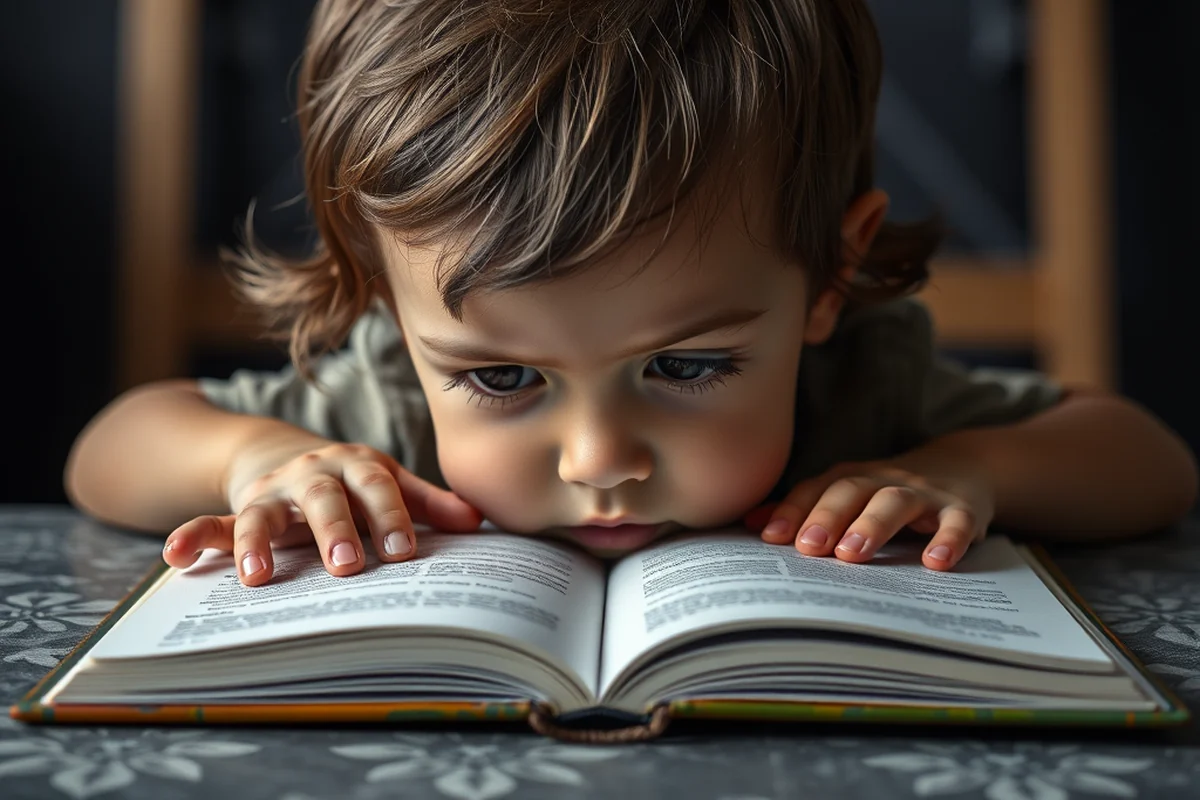
I’ve noticed that a toddler classroom mirror becomes a hub for social activity. Kids will often gather around it to mimic each other’s actions — like blowing kisses, making silly faces, or even copying each other’s movements. It’s a simple but effective way for children to learn from one another.
One day, I saw two toddlers playing a game of 'mirror, mirror' — one would make a face, and the other would try to copy it. It was a moment of pure joy and connection. The mirror became a bridge between the two children, helping them bond and build early social skills.
In a classroom setting, the mirror can be used to teach cooperation and turn-taking. When one child is using the mirror, others will wait their turn or find alternative ways to engage with the space. It’s a subtle but powerful tool for building social awareness.
A mirror can turn a classroom into a playground of connection and communication.
Related: How to hang mirror
Encouraging Motor Skills Through Reflection
Mirrors aren’t just for looking — they can be used as tools for movement and coordination. I’ve observed toddlers practicing walking while looking in the mirror, which helps them balance and gain confidence in their movements. It’s like having a coach in the room, giving them real-time feedback on their posture and steps.
Fine motor skills can also be enhanced through mirror play. For example, a child might reach for a toy that’s reflected in the mirror, which requires hand-eye coordination and precision. I saw a child who was struggling with grasping begin to improve after repeatedly reaching for objects in the mirror.
The mirror can be placed near a play area to encourage crawling, standing, and even climbing. It becomes a motivator for movement, turning a simple task into an engaging activity for the child.
Place a toy near the mirror and encourage your toddler to reach for it. This builds fine motor skills and hand-eye coordination. Praise them for every successful attempt!
“I remember the first time I watched my toddler stare at her reflection in a mirror at the daycare — wide-eyed, giggling, and suddenly aware…”— Choosing a Toddler Mirror editors
Related: What is a side mirror
The Mirror as a Safety Tool
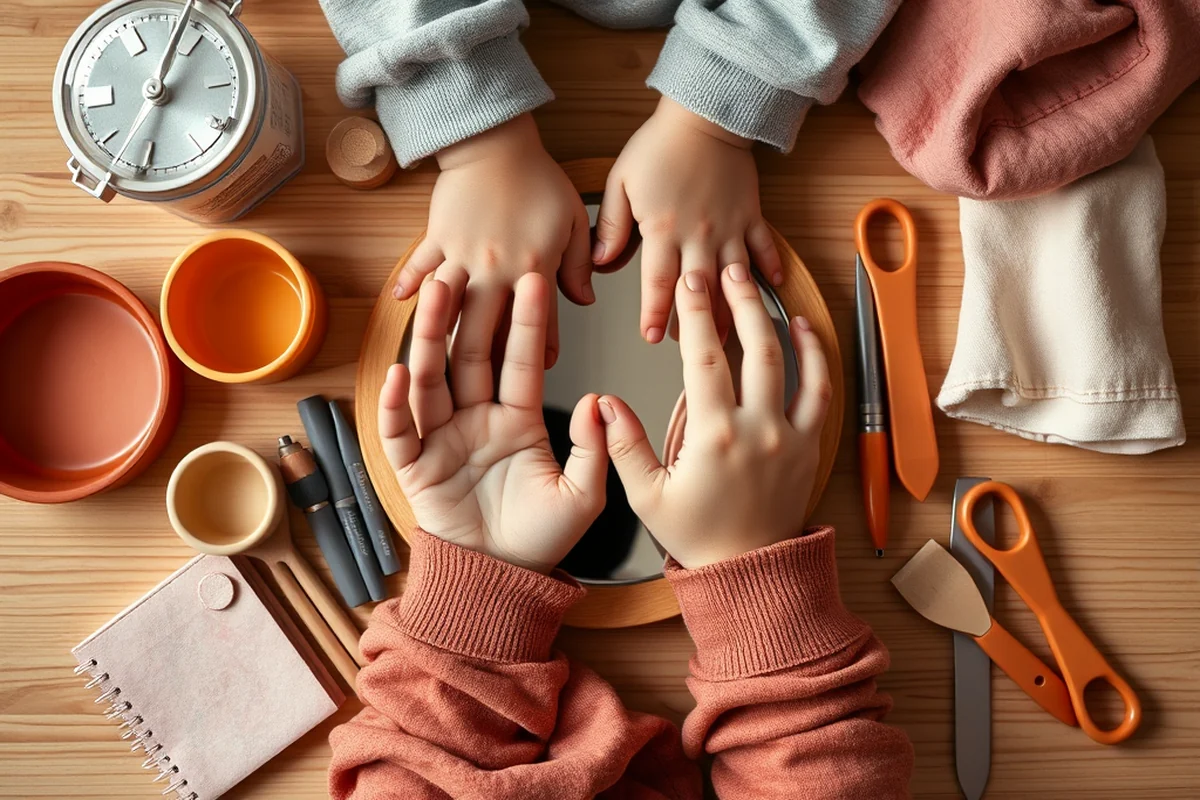
Mirrors can be used to teach a toddler about their personal space. When a child is playing with a toy, the mirror can show them the distance between themselves and another child or object. I’ve noticed that this helps them learn to respect others’ space and avoid collisions.
In one classroom, a teacher used the mirror to help a toddler who was constantly bumping into others. By pointing out the reflection of the other child, the toddler learned to slow down and be more aware of their surroundings. It was a simple but effective way to improve behavior and social interaction.
The mirror can also be used to help a child recognize obstacles. For example, if there’s a chair in the way, the mirror will show the child the obstacle and allow them to adjust their path. This helps them develop spatial awareness and planning skills.
Related: Man in the mirror
Creating a Sense of Familiarity
For children who are just starting at a new daycare or classroom, a mirror can be a comforting presence. It gives them a sense of control over their surroundings and allows them to see their own reflection, which can be reassuring.
I’ve seen toddlers who were initially anxious about a new classroom environment quickly become more at ease when a mirror was placed near the entrance. They would look at their own faces, wave at themselves, and even smile — as if the mirror was helping them adjust to the new space.
Mirrors can also help children feel more connected to their parents or caregivers. When a parent walks through the door and the child sees their reflection in the mirror, it can be a moment of recognition and comfort.
Related: Screen mirroring to smart tv
Supporting Language Development
Mirrors are excellent for vocabulary building. I’ve watched toddlers point to their own nose, ears, and eyes in the mirror while saying the words aloud. This is a simple yet effective way to teach new words and encourage speech.
In one classroom, the teacher would use the mirror to ask the children questions like, 'Can you show me your mouth?' or 'Where is your chin?' This turned mirror time into a learning opportunity and helped the children expand their vocabulary.
The mirror also encourages communication between children. I’ve seen toddlers use the mirror to show their friends what they’re doing, which promotes interaction and language development. It’s a subtle way to bring out their curiosity and willingness to communicate.
A mirror can be a teacher, a friend, and a language starter all in one.
Related: Mirror at the living room
The Mirror as a Tool for Emotional Regulation
When a child is upset, looking at their reflection can help them process their emotions. I’ve seen toddlers who were crying suddenly stop and look at themselves in the mirror, then try to make a different face — a subtle but powerful step toward emotional regulation.
The mirror can be used to teach children about their feelings. For example, a teacher might point out a child’s frown and ask, 'Are you sad?' This helps the child name their emotions and understand what they’re feeling.
In a classroom setting, the mirror can be a calming tool. If a child is overstimulated, they can look at their reflection and take deep breaths, which helps them regain their composure. It’s a small but meaningful way to teach emotional resilience.
🧸 Gentle Approach
For children who are shy or anxious, introduce the mirror slowly. Let them explore it on their own terms and use it as a comforting presence.
🚀 Fast-Track Integration
For a quick setup, place the mirror near a high-traffic area and let the children interact with it naturally during playtime.
🧳 Travel/away-from-home
Use a portable mirror when traveling or visiting other homes. It helps maintain a sense of familiarity and comfort for your toddler in new environments.
👶 Multiples
If you have more than one child, use multiple mirrors to encourage independent exploration and social interaction among them.
🔄 Regression Reset
If a child is going through a developmental regression, reintroduce the mirror as a tool for self-awareness and emotional regulation.
| The mistake | Why it happens | The fix |
|---|---|---|
| Placing the mirror too high or too low for the toddler to see. | If the mirror is not at the right height, the toddler may not engage with it, missing out on potential learning opportunities. | Adjust the mirror to a height that’s eye-level for your toddler, typically around 24-30 inches from the floor. |
| Using a mirror that is too reflective or too bright. | A mirror that is overly reflective can be overwhelming for a toddler and may cause discomfort or distraction. | Opt for a mirror with a frosted or diffused finish to make it softer on the eyes. |
| Not allowing the toddler to explore the mirror on their own. | If a toddler is forced to interact with the mirror, they may become anxious or disinterested in using it. | Let the toddler explore the mirror at their own pace. Use it as a tool for discovery rather than a task. |
| Using the mirror as the only learning tool in the classroom. | Relying too heavily on the mirror may limit the child’s exposure to other learning activities and developmental tools. | Use the mirror as a complement to other learning tools, not a replacement for them. |
Toddler Classroom Mirror
Common Questions
How do I choose the right mirror for my toddler’s classroom?
Can a mirror really help with my toddler’s emotional development?
What if my toddler is scared of the mirror?
How often should I use the mirror in the classroom?
References
- Golub, Jeffrey N., Ed. Reflective Activities - ERIC (files.eric.ed.gov)
- South Carolina Early Learning Standards (ed.sc.gov)
- First Recognition of Self in the Mirror Is Spurred by Touch (cns.utexas.edu)
Cite this guide
Choosing a Toddler Mirror (2026). Toddler Classroom Mirror. https://toddlersee.com/toddler-classroom-mirror/
Feel free to cite or share this guide.