
Kids Mirror Ideas
📖 Table of Contents
When my daughter turned two, I decided to hang up a mirror in her room — not because I thought she needed to see her reflection, but because I wanted her to feel seen. It was a small change, but it made a huge difference. The mirror became a place where she would stand and giggle at her own face, a way for her to practice brushing her teeth independently. A tool that helped me feel more connected to her daily routine. It was then that I realized that mirrors for kids aren’t just decorative — they can be powerful tools for development, independence, and confidence.[2]
Over the next few months, I experimented with different types of mirrors: round, rectangular, with and without frames. Some were placed on the wall, others hung on the back of a door, and one even sat on her toddler bed. Each had a different effect, and I started to notice patterns in how she interacted with them. I learned that the right mirror could do more than just reflect — it could spark curiosity, encourage self-care, and even help with early social skills. This is where the idea for this article came from: a real-life, hands-on exploration of what makes a good kids mirror and how to make the most of it.[3]
Kids mirror ideas are more than just decorative choices. They’re a way to create space that supports growth, independence, and fun. Whether you're looking for a mirror that helps your toddler practice getting dressed or one that becomes part of their daily routine, the right mirror can make a big difference. So, let's explore the different options, the benefits, and the little details that matter when choosing a mirror for your child.[4]
Why You'll Love This Kids Mirror Guide
- Encourages independent self-care from an early age.
- Boosts confidence and self-awareness through reflection.
- Can be a playful tool for learning and exploration.
- Adds a functional and stylish element to a child's space.
Why a Mirror Matters in a Toddler's Room
As of August 2026, Mirrors encourage toddlers to explore their own bodies, faces, and movements. When my daughter saw her reflection, she would point at her nose, wiggle her toes, and even mimic my expressions. This kind of self-awareness is crucial for early development and helps toddlers build confidence in their own identity.[1]
Mirrors also support the development of fine motor skills. When a child brushes their teeth, ties their shoes, or practices writing, a mirror can help them see what they're doing — even if they can't see the result from the front. It's like having a teacher in the room, watching over their shoulder.[5]
In my experience, the mirror became a place of connection. I could see my daughter's face from across the room, and she would see mine. It turned into a daily ritual of checking in, even when I wasn't physically there.
Sharp corners can be a hazard for toddlers. I always opt for mirrors with soft, rounded edges to keep things safe.
Part of our Long mirror guide.
Where to Place the Mirror
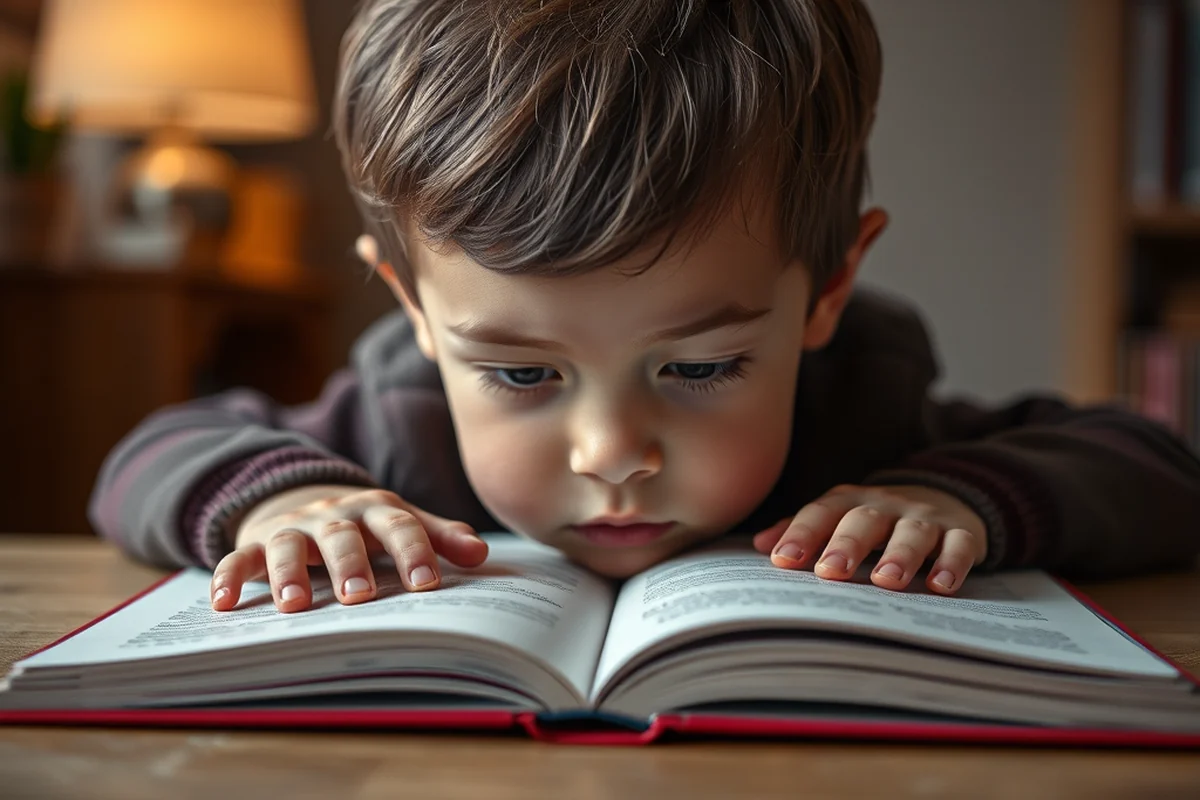
I tried placing the mirror on the wall, but it was too high for my daughter to see. Then I hung it on the back of the bathroom door, and she could see herself every time she washed her hands. My favorite spot, though, was the back of her bedroom door — it became a daily check-in point for her to see her face, practice her teeth brushing, and even play with her reflection.
Mirrors in high-traffic areas like bathrooms, entryways, and bedrooms are great for daily use. They also help children get used to seeing themselves in different settings, which builds familiarity and comfort with their own image.
I found that mirrors placed at eye level were the most effective. That way, my daughter could see her face clearly without straining her neck or standing on her toes.
Place the mirror where your child lives — not just where it looks nice.
Related: Kids emotion mirror
Related: Kids mirror image
Related: Kids Mirror Desk
Related: Kids jungle mirror
Related: Kids Mirror For Car
Related: Mirror Selfie Photography Ideas
Related: Loudoun Times Mirror
Related: The Mirror Us
The Best Mirror Shapes and Sizes
Round mirrors are great for toddlers because they’re less likely to have sharp corners. I found that my daughter would play with the round mirror more — she would roll it, tilt it, and even use it as a toy. It became a part of her daily exploration.
Rectangular mirrors are better for tasks like brushing teeth or practicing writing, as they provide a clearer, wider reflection. I used one in the bathroom for her to check her face while brushing her teeth, and it became a tool for learning.
I also found that smaller mirrors, like those used for makeup, were too small for my daughter to see her whole face. She preferred larger ones where she could see herself from head to toe, which helped with her self-confidence.
A larger mirror allows your child to see their whole face and body, which helps build self-awareness and confidence.
“When my daughter turned two, I decided to hang up a mirror in her room — not because I thought she needed to see her…”— Choosing a Toddler Mirror editors
Mirrors for Learning and Play
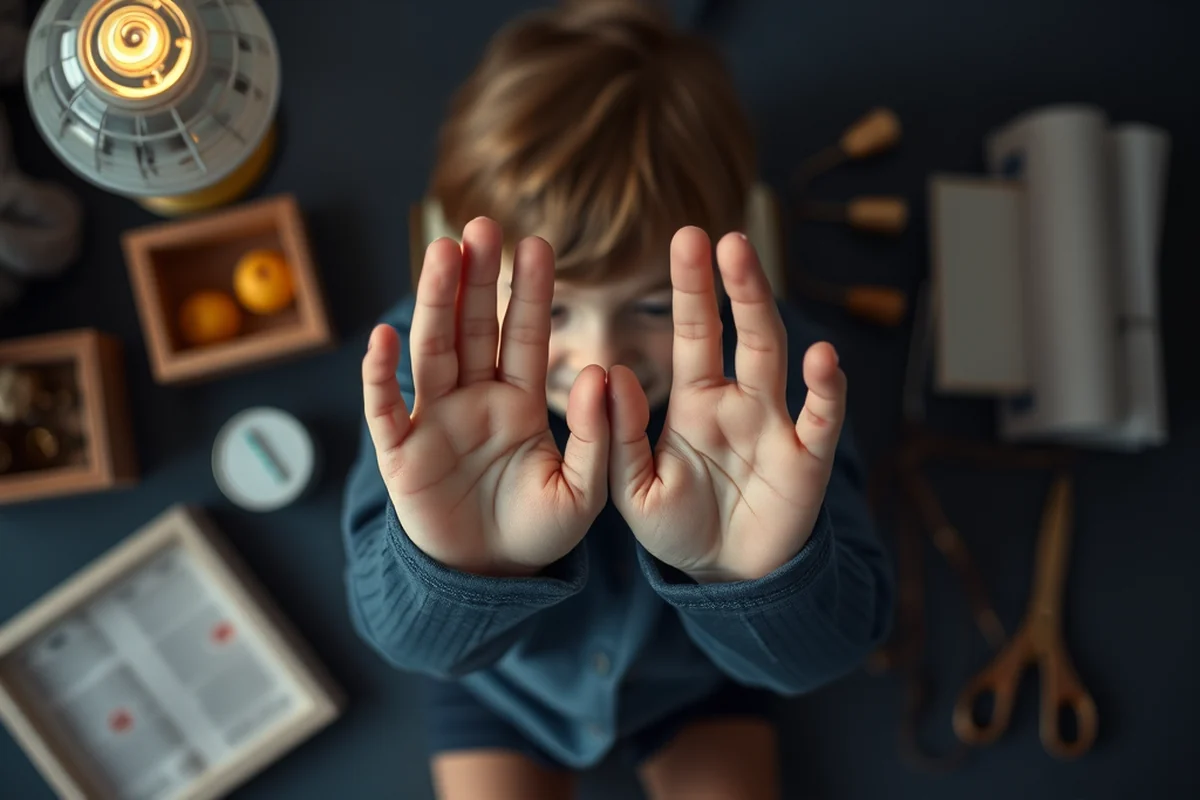
I noticed that my daughter would use the mirror to play with her reflection. She would make faces, mimic my expressions, and even wave at herself. It became a fun way for her to explore the concept of 'self' and 'others'.
Mirrors can also be used to support learning. When I would read books with my daughter, she would look at the mirror and point at the images — it helped her connect the characters in the book with their reflections.
I also used the mirror to teach her about shapes, colors, and even basic math. She would count the number of eyes she saw in the mirror, or point out the color of her hair — it turned into a learning experience without even realizing it.
Making the Mirror Part of a Daily Routine
I started using the mirror as part of her morning routine. After brushing her teeth, she would check her face in the mirror — it became a way for her to see if she had done a good job. It helped her take ownership of her own hygiene.
I also used the mirror during bath time. She would look at her reflection and see the soap suds on her skin, or the water running down her face. It became a way for her to explore her own body in a safe and fun way.
Over time, the mirror became a part of her day — not just something she saw, but something she used. It helped her feel more in control of her own body and routines.
Mirrors for Social Skills and Confidence
I noticed that my daughter became more confident when she saw her reflection. She would look at herself in the mirror and smile, which helped her build a positive self-image. It’s amazing how a simple mirror can help a child feel more confident in their own skin.
Mirrors can also be used to help children understand social interactions. When I would play with her, she would look at the mirror and see my expression, which helped her learn how to read emotions and respond appropriately.
I also found that mirrors helped my daughter learn how to take turns. When we would play with toys, she would look at herself in the mirror and then look at me — it became a way for her to understand the concept of sharing and taking turns.
A mirror can help a child feel more confident in their own skin.
Choosing the Right Mirror for Your Child
When choosing a mirror for your child, I always look for safety features. Rounded edges, shatterproof materials, and secure mounting are all important factors. I found that a mirror with a soft frame, like one made from wood or fabric, was more appealing and safer for my daughter.
I also consider the placement of the mirror. A mirror that’s too high is useless — it should be at a height that allows your child to see their face without standing on tiptoe or needing help.
Lastly, I look for mirrors that are easy to clean and maintain. A toddler’s room can get messy, so a mirror that’s easy to wipe down is a must-have.
🧸 Gentle Introduction
Start with a small, round mirror and place it at eye level in a high-traffic area, like a hallway or bathroom. Let your child explore it at their own pace.
⚡ Fast-Track Setup
Buy a large, round mirror with a soft frame and hang it in the bathroom. Use it as a tool for teaching basic hygiene and self-care routines.
🧳 Travel/ Away-from-Home
Choose a portable mirror that can be easily packed and used in hotels or other environments. It’s perfect for maintaining routines while on the go.
👶 Multiples
Use a mirror that can be mounted in multiple areas of the home — like the bathroom, bedroom, and hallway — to create consistency across your child’s environment.
🔄 Regression Reset
Reintroduce a mirror during a developmental reset, such as after a move or a change in routine, to help your child feel secure and grounded.
| The mistake | Why it happens | The fix |
|---|---|---|
| Placing the mirror too high for the child to see | If the mirror is out of reach, your child won’t be able to interact with it, and it won’t be as effective for learning or play. | Mount the mirror at a height that allows your child to see their face without standing on tiptoe. |
| Choosing a mirror with sharp edges | Sharp edges can be a hazard for toddlers and may cause injury if the mirror is knocked over or broken. | Always choose a mirror with rounded edges and a safe, shatterproof material. |
| Using a mirror that's too small | A small mirror doesn’t allow your child to see their whole face or body, which limits its usefulness for learning and play. | Choose a larger mirror that allows your child to see their full reflection. |
| Ignoring the mirror after the first few days | Mirrors are most effective when used regularly. If you ignore the mirror after the first few days, it won’t become part of your child’s daily routine. | Use the mirror consistently and incorporate it into your child’s daily activities, like brushing teeth or washing hands. |
Kids Mirror Ideas
Common Questions
What age is best to introduce a mirror to a child?
How do I choose the right mirror for my child?
Can mirrors be used for learning?
How do I make a mirror part of my child's routine?
Cite this guide
Choosing a Toddler Mirror (2026). Kids Mirror Ideas. https://toddlersee.com/kids-mirror-ideas/
Feel free to cite or share this guide.
References
- Diversifying Your Early Childhood Library – Literacy from the Start (blogs.iu.edu)
- SAT math scores mirror and maintain racial inequity | Brookings (brookings.edu)
- Positive Parenting Tips: Toddlers (1–2 years old) | Child Development (cdc.gov)
- Mirror by Suzy Lee - BookDragon (apa.si.edu)
- NCT07126275 | Mirror Journaling App Study - ClinicalTrials.gov (clinicaltrials.gov)