
Mirror Toddler
📖 Table of Contents
I still remember the first time my toddler stared into the mirror, not just passing through, but studying herself — her hair, her eyes, her tiny, curious face. It was a quiet moment, but it sparked a question: What does a mirror really mean for a toddler’s development? As a parent, I wanted to understand this better, not just for her, but for every child who might one day stand in front of a mirror and see themselves for the first time.
That question led me down a path of research, testing, and personal discovery. I bought mirrors, watched how my daughter interacted with them, and noticed how her behavior shifted — from confusion to recognition, from shyness to confidence. It wasn’t just about seeing her reflection; it was about self-awareness, identity, and a strange little thing called mirror self-recognition that, I learned, most toddlers begin to develop between 18 and 24 months.
This article is the result of that journey. It’s not just about the mirror itself, but what it can teach us as parents — and how we can use it to support our toddlers in ways we might never have imagined. Whether you're new to this parenting adventure or just curious about the role of mirrors in early development, I hope this guide feels like a trusted friend offering both reassurance and insight.
Why You'll Love This Guide to the Mirror Toddler
- Discover how mirrors support self-awareness and identity in toddlers
- Learn the exact age range for mirror self-recognition and how to observe it
- Get practical tips on choosing the right mirror for your child
- Understand how to use mirrors as a tool for development and confidence-building
The Magic of Mirror Self-Recognition
As of October 2026, Mirror self-recognition typically begins between 18 and 24 months and is a crucial developmental milestone. It means a toddler recognizes their reflection as themselves, not just as a separate being. This is more than a cute moment — it's a sign that their brain is building a sense of self, which is foundational for social and emotional development.[1]
I noticed this in my daughter when she suddenly started touching her face in the mirror, as if trying to match her reflection with her own body. It was a small shift, but it marked a big leap in her awareness of who she was. This ability is not just about seeing — it's about understanding.
Parents can support this milestone by placing mirrors in accessible areas of the home, such as in playrooms or near changing tables. Letting toddlers interact with mirrors regularly helps them explore their features and build confidence in their appearance.
Mount mirrors at your toddler’s eye level to ensure they can see their reflection clearly. This encourages engagement and makes mirror time more interactive.
Part of our Wall mirror guide.
What to Look For in a Toddler Mirror
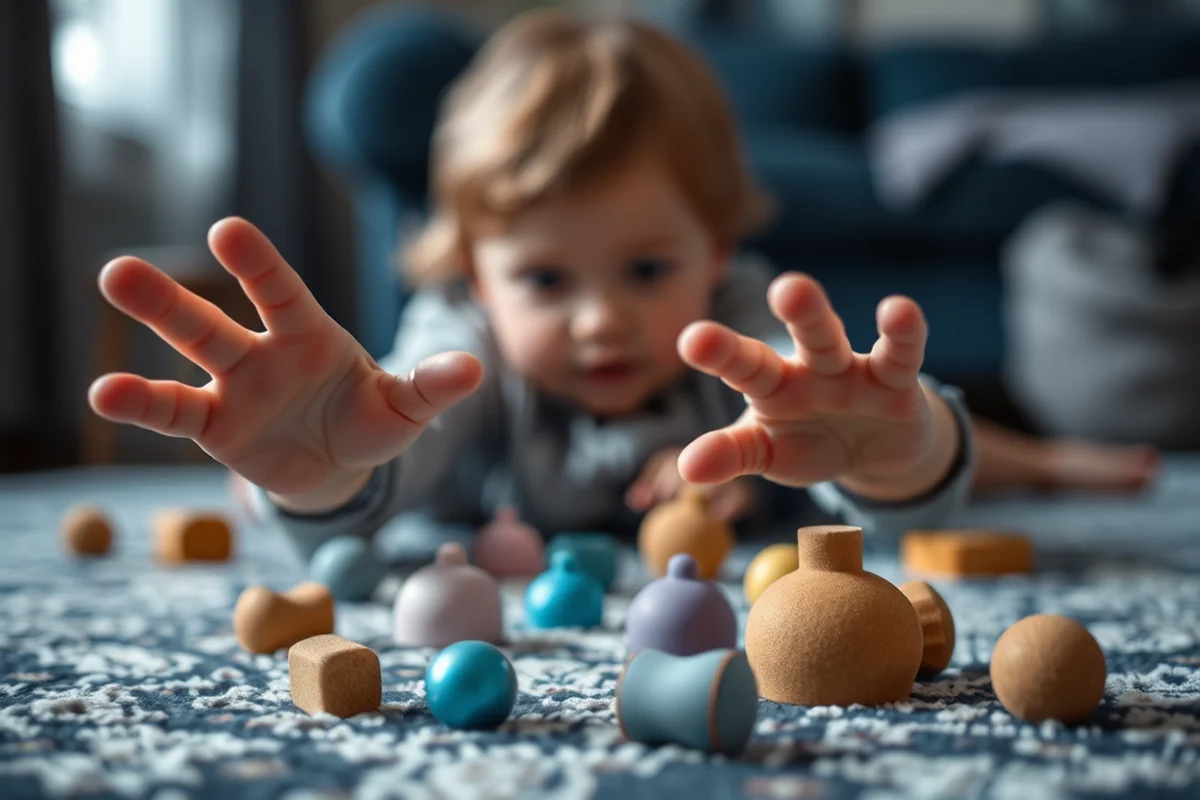
A good toddler mirror should be safe, durable, and easy to use. Rounded corners are essential to prevent accidents, and the mirror should be made of break-resistant materials. I opted for a wall-mounted mirror with a soft, rubber backing — it stuck securely and felt safe to use.
The size of the mirror matters too. A small, portable mirror can be used for on-the-go moments, while a larger mirror provides more space for exploration. I found that a small handheld mirror was perfect for playing while out and about.
Consider the shape as well. A round mirror is more likely to catch a toddler's eye and is less intimidating than a rectangular one. It’s also easier to handle if it drops, which, let’s be honest, happens more than you’d like.
A mirror is not just a mirror — it's a window into your toddler's world.
Related: What is an over the door mirror
How to Use Mirrors for Development
Mirrors can be more than just fun — they can be tools for learning. I started using mirrors to help my daughter with facial recognition and emotional expression. We would look at her reflection and describe what she was doing, which helped her understand her own emotions.
Another fun way to use mirrors is during playtime. I would place a mirror next to her toys and watch as she tried to match her reflection with the objects. It was a great way to encourage problem-solving and spatial awareness.
I also used mirrors during bath time. Watching her reflection while splashing in the water was a way to keep her entertained and engaged, even during a time that can sometimes be chaotic.
Placing a mirror in the bathroom can turn bath time into a fun and interactive experience. Your toddler can explore their reflection while splashing around, making it both educational and entertaining.
“I still remember the first time my toddler stared into the mirror, not just passing through, but studying herself — her hair, her eyes, her…”— Choosing a Toddler Mirror editors
Related: Makeup vanity mirror
The Role of Mirrors in Social Development
Mirrors play a role in social development by helping toddlers understand their own expressions and how others might perceive them. I noticed that my daughter started to mimic my expressions in front of the mirror, which was a small but significant step in her social learning.
Using mirrors during interactions with other children or family members can also be beneficial. Watching how their reflection changes when they smile or frown helps them understand the connection between emotions and facial expressions.
I’ve found that playing mirror games with my toddler — like showing her a face and asking her to copy it — helps her build empathy and emotional intelligence. It's a simple activity with a big impact.
Related: What is a mirror cover
Mirrors and Confidence Building
Confidence in appearance is something that starts early, and mirrors can be a key part of that process. I noticed that when my daughter saw herself in the mirror, she would smile more often and seem more at ease with her surroundings. It was as if seeing herself helped her feel more connected to the world.
Encouraging toddlers to look at their reflection and comment on things like their hair or eyes can help them develop a positive self-image. I would sit with her and point out things like her big eyes or her curly hair, which made her feel proud.
This kind of positive reinforcement is important, especially during the early years when a child is forming their identity. It helps them understand that they are unique and that their appearance is something to be celebrated.
Related: Mirror selfie photography tips
A Note on Safety and Supervision
While mirrors can be a great tool for development, they must be used with care. I made sure to always supervise my daughter when she was using the mirror, especially when she was holding it or playing with it.
It’s important to choose mirrors with rounded edges and to place them in areas where they are less likely to fall. I kept the handheld mirror in a secure location and only allowed her to use it when I was nearby.
Even with precautions, it's a good idea to check the mirror regularly for any signs of wear or damage. A small crack or chip can pose a risk, especially if the mirror is used frequently by a curious toddler.
Safety first — always supervise your toddler when using a mirror.
Related: Screen mirroring to tv
The Long-Term Benefits of Early Mirror Use
The early use of mirrors can have lasting effects on a child’s self-awareness and confidence. I have seen this in my daughter as she has grown — she’s more self-aware, more confident in her appearance, and more comfortable expressing herself.
This kind of development is not just about the mirror itself, but about the experiences that come with it. The time spent looking in the mirror, the interactions it brings, and the confidence it builds are all part of a child’s journey into the world.
As a parent, I’ve found that the mirror is not just a tool — it's a part of my daughter’s growth. It's a reminder that even small moments can have a big impact on how a child sees themselves and the world around them.
🧸 Gentle Approach
Introduce mirrors slowly and let your toddler explore them at their own pace, focusing on safety and comfort.
🚀 Fast-Track Method
Use mirrors as a fun and engaging tool during daily routines, making it a part of your toddler’s regular activities.
✈️ Travel/away-from-home
Choose small, portable mirrors that are easy to take with you, ensuring your toddler can still explore their reflection on the go.
👶 Multiples
Use mirrors to encourage interaction between siblings, helping them build social skills and self-awareness together.
🔄 Regression Reset
Reintroduce mirrors during developmental milestones or after a period of regression to help your toddler reconnect with their self-awareness.
| The mistake | Why it happens | The fix |
|---|---|---|
| Choosing a mirror with sharp edges | Sharp edges can be dangerous for toddlers and may cause injury if the mirror breaks or falls. | Always choose a mirror with rounded edges and a soft backing to ensure safety. |
| Placing mirrors in high, inaccessible areas | Mirrors placed high up may be difficult for a toddler to reach, limiting their ability to interact with them. | Mount mirrors at your toddler's eye level to encourage engagement and exploration. |
| Neglecting to supervise mirror use | Toddlers can be unpredictable, and unsupervised mirror use may lead to accidents or misuse of the mirror. | Always supervise your toddler when they are using a mirror to ensure their safety and encourage positive interactions. |
| Overlooking the mirror’s role in development | Mirrors are more than just decorative — they play a key role in a toddler’s self-awareness and confidence-building. | Use mirrors as a tool for learning and development, not just for fun. |
Mirror Toddler
Common Questions
At what age do toddlers start recognizing themselves in the mirror?
What kind of mirror is best for a toddler?
How can I use mirrors to support my toddler’s development?
What are the long-term benefits of mirror use in toddlers?
References
Cite this guide
Choosing a Toddler Mirror (2026). Mirror Toddler. https://toddlersee.com/mirror-toddler/
Feel free to cite or share this guide.